Dell Boomi Course – Complete Career Guide
Introduction
Modern businesses operate in a highly connected digital environment where applications, databases, and cloud platforms must communicate seamlessly. Organizations often use multiple systems such as CRM, ERP, HR software, e-commerce platforms, and analytics tools. Ensuring smooth data flow between these systems is essential for operational efficiency and business growth. This is where Dell Boomi becomes an important technology.
A Dell Boomi course is designed to teach professionals how to integrate applications, automate workflows, manage APIs, and maintain accurate data exchange across platforms. With the increasing adoption of cloud computing and digital transformation initiatives, Boomi skills are becoming highly valuable in today’s global IT job market.
Understanding Dell Boomi
Dell Boomi is an Integration Platform as a Service (iPaaS) that runs on the cloud. It enables companies to connect cloud applications and on-premise systems without building complex infrastructure. The platform provides a visual, drag-and-drop interface that simplifies integration development and reduces the need for heavy coding.
Instead of writing lengthy scripts, developers can create integration processes using reusable components. The platform supports real-time integration, batch processing, API management, data transformation, and workflow automation. Its flexible and scalable architecture allows businesses to expand their integration capabilities as their operations grow.
Why Enroll in a Dell Boomi Course?
A structured Dell Boomi training program helps learners understand both theoretical and practical aspects of integration. Below are key reasons to consider this course:
1. Strong Industry Demand
Many enterprises are migrating to cloud-based ecosystems and require skilled professionals who can integrate various systems efficiently. Boomi developers are in demand across industries such as healthcare, finance, retail, logistics, and manufacturing.
2. Beginner-Friendly Platform
Boomi’s low-code environment makes it accessible for beginners while still powerful enough for experienced developers. Professionals from ETL, middleware, database, or software development backgrounds can quickly adapt to the platform.
3. Career Advancement Opportunities
Integration specialists often receive competitive salary packages. Completing a professional course and gaining certification can significantly enhance job prospects and credibility.
4. Hands-On Learning Experience
Most training programs include practical assignments and real-time projects that simulate real business scenarios. This hands-on exposure builds confidence and technical expertise.
What You Will Learn in a Dell Boomi Course
A comprehensive Dell Boomi course typically includes the following modules:
Introduction to Integration Concepts
Basics of system integration
Understanding cloud and on-premise connectivity
Overview of iPaaS platforms
Platform architecture and components
Platform and Environment Setup
Understanding Atoms and Molecules
Installing and configuring local runtime
Managing environments
Navigating the dashboard and tools
Process Development
Creating integration processes
Using connectors such as Database, HTTP, FTP, and CRM systems
Designing workflows
Scheduling, testing, and deploying processes
Data Mapping and Transformation
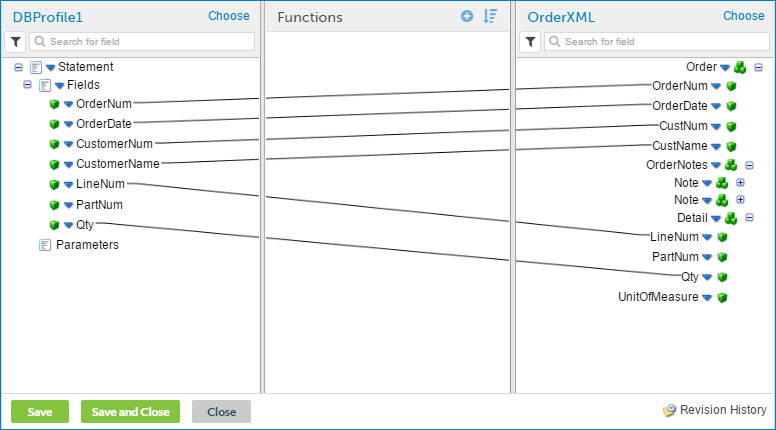
Creating source and target profiles
Mapping fields between systems
Applying transformation functions
Handling data formats like XML, JSON, and flat files
Error Handling and Monitoring
Implementing exception handling strategies
Debugging and logging techniques
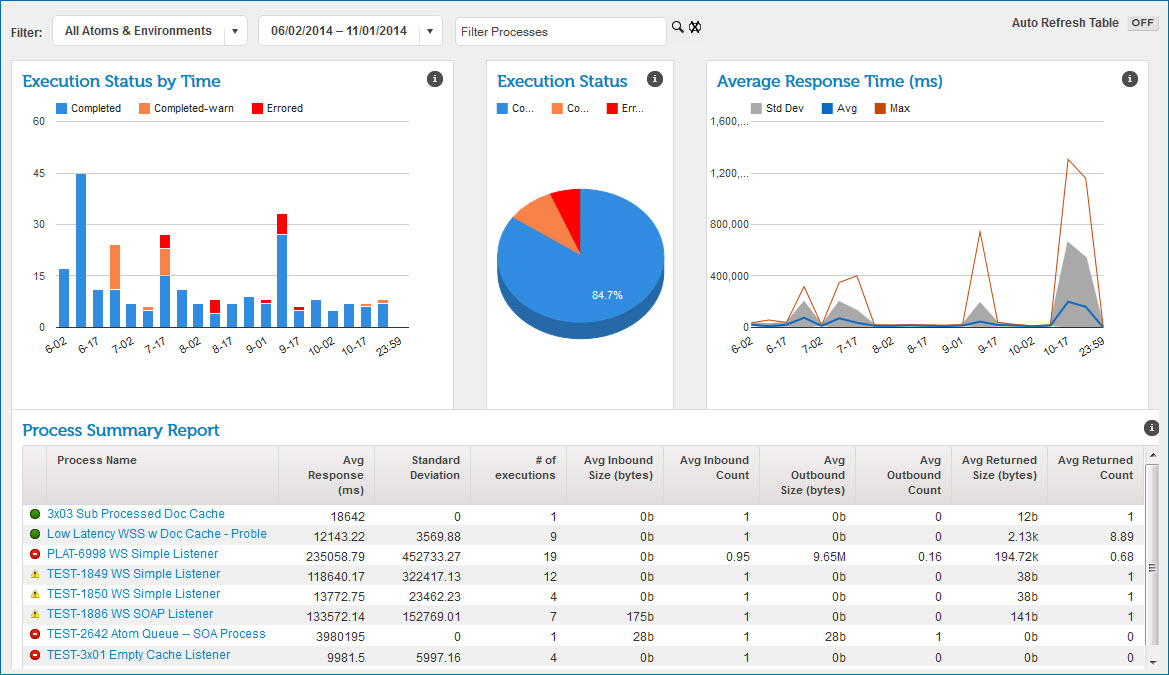
Monitoring deployed processes
Performance optimization
API Management
Designing REST APIs
Managing API lifecycle
Securing APIs using authentication methods
Testing and deployment strategies
Real-Time Project
Learners usually complete an end-to-end integration project, such as connecting an e-commerce platform with a CRM system or synchronizing database records with a cloud application. This project helps in understanding the complete lifecycle from development to production deployment.
Who Should Take This Course?
A Dell Boomi course is suitable for:
Software Developers
ETL Developers
Middleware Engineers
Cloud Computing Enthusiasts
System Administrators
Fresh graduates interested in integration technologies
Even professionals working with other integration tools can expand their expertise and increase their career options by learning Boomi.
Career Opportunities After Training
After completing Dell Boomi training, candidates can apply for various roles, including:
Boomi Developer
Integration Consultant
Cloud Integration Engineer
API Developer
Middleware Specialist
With experience, professionals can move into senior consultant, team lead, or solution architect positions. Many organizations rely on integration platforms for digital transformation, ensuring long-term demand for skilled experts.
Key Benefits of Learning Dell Boomi
Cloud-native and scalable technology
Visual development interface reduces complexity
Wide range of connectors for different systems
Supports real-time and batch integrations
Global job opportunities
Salary Outlook
Salaries for Dell Boomi professionals vary depending on experience, certifications, and location. Entry-level developers can earn competitive compensation, while experienced consultants and architects receive higher packages. Gaining hands-on experience and completing recognized certifications can significantly improve earning potential.
Final Thoughts
A Dell Boomi course is an excellent investment for anyone looking to build a career in cloud integration and enterprise technology. As businesses continue to adopt multiple cloud applications and digital platforms, the need for reliable integration solutions will continue to grow.
By mastering Dell Boomi, professionals gain practical skills that are modern, relevant, and in high demand. With structured training, real-time projects, and continuous practice, learners can establish themselves as integration experts and secure rewarding career opportunities in the evolving IT industry.
Comments
Post a Comment