Database Modeling Course: Building the Foundation of Modern Data Systems
In today’s digital economy, data is one of the most valuable assets an organization can possess. However, raw data alone has little value unless it is structured properly. This is where a Database Modeling Course becomes essential. It teaches students how to design efficient, scalable, and reliable database systems that support business operations and analytics.
Database modeling is not just a technical skill—it is a strategic discipline that ensures data integrity, performance, and long-term system sustainability.
What Is Database Modeling?
Database modeling is the process of designing a structured framework that defines how data is stored, organized, and related within a database. It serves as a blueprint before actual database implementation begins.
A database modeling course focuses on transforming business requirements into organized schemas that prevent redundancy and maintain consistency. Students learn how to visualize data structures and convert them into functional database designs.
Levels of Database Modeling
A comprehensive course typically covers three main levels of database modeling:
1. Conceptual Database Model
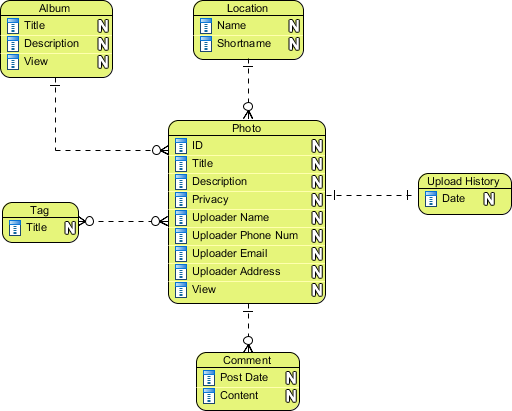
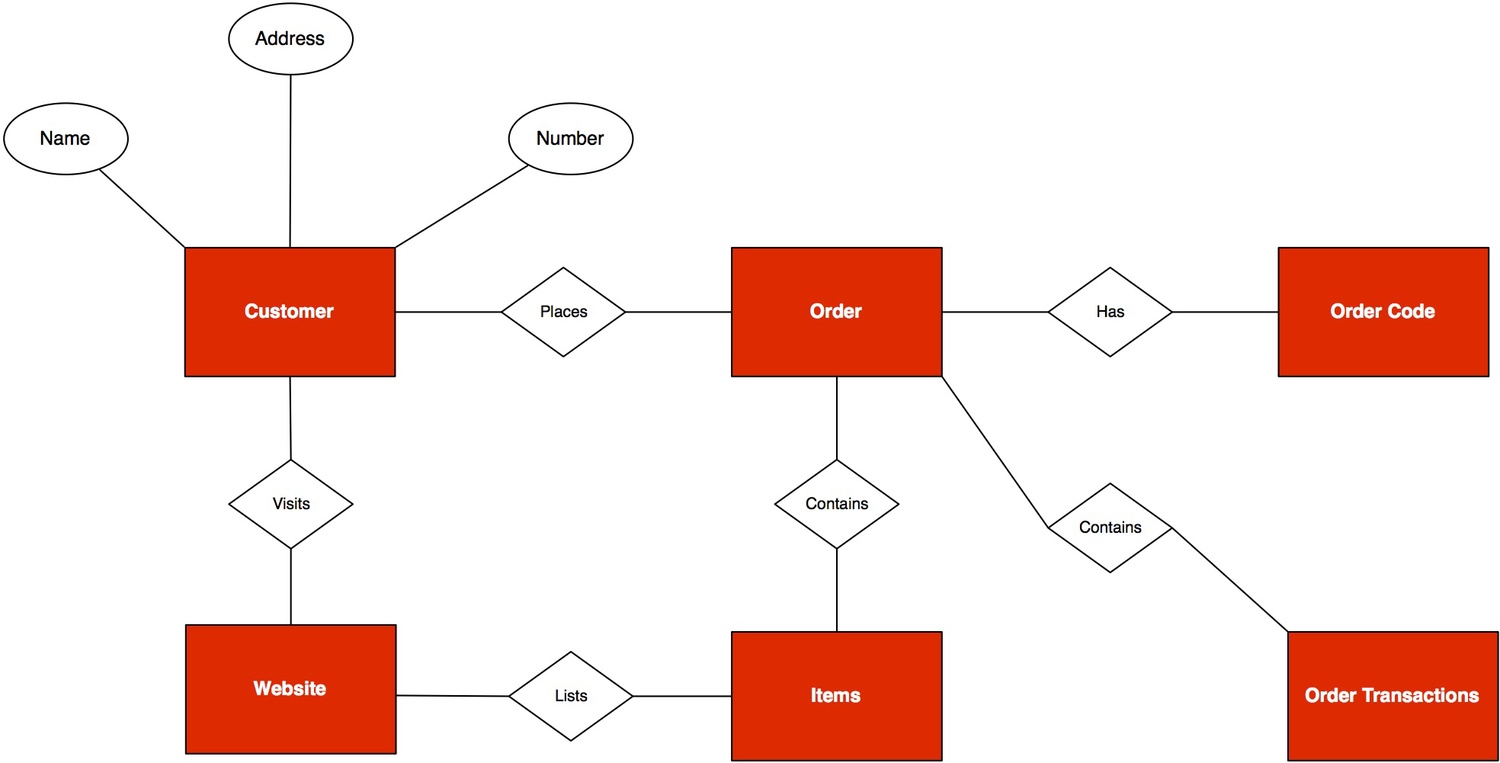
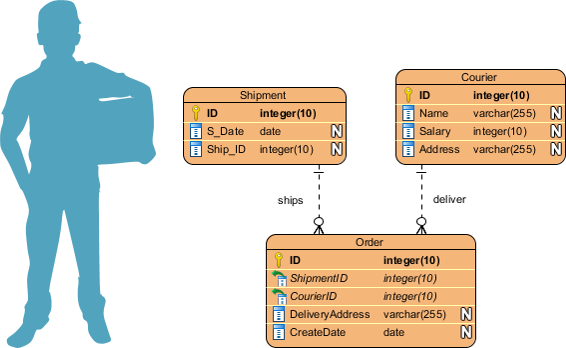
The conceptual model is the highest-level view of the database structure. It identifies major entities and relationships without technical details.
For example, in an online retail system, the conceptual model may include entities such as:
-
Customer
-
Order
-
Product
-
Payment
At this stage, the focus is on understanding business needs rather than database constraints. The goal is to answer the question: What information must the system store?
Students learn how to identify entities, relationships, and cardinality rules.
2. Logical Database Model

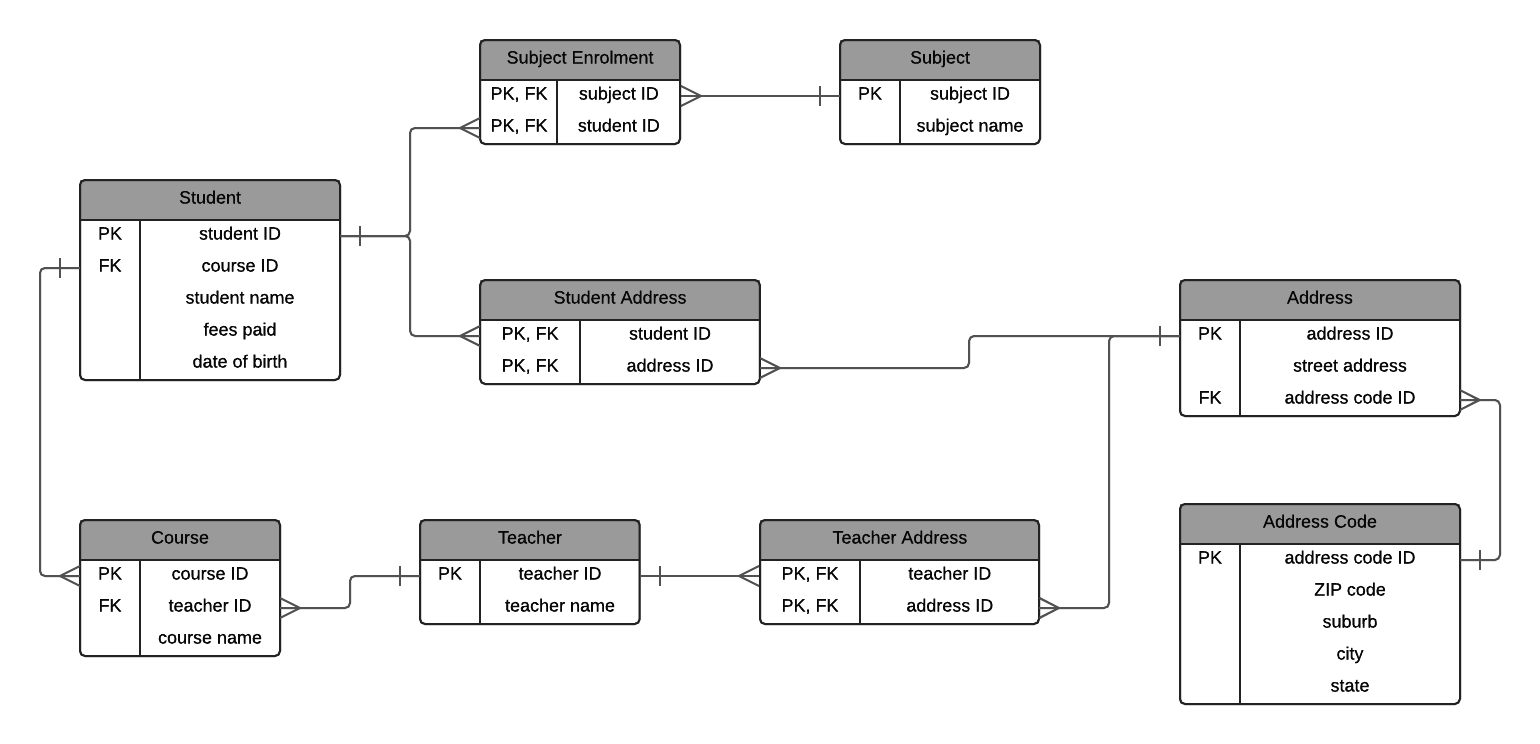


The logical model adds detail to the conceptual design. It includes attributes, primary keys, foreign keys, and structured relationships.
Key topics covered include:
-
Entity-Relationship (ER) diagrams
-
Primary and foreign keys
-
Data types
-
Constraints
-
Normalization
Normalization is a critical concept taught in database modeling courses. Students study different normal forms such as:
-
First Normal Form (1NF)
-
Second Normal Form (2NF)
-
Third Normal Form (3NF)
These techniques help eliminate redundancy and ensure data integrity.
3. Physical Database Model
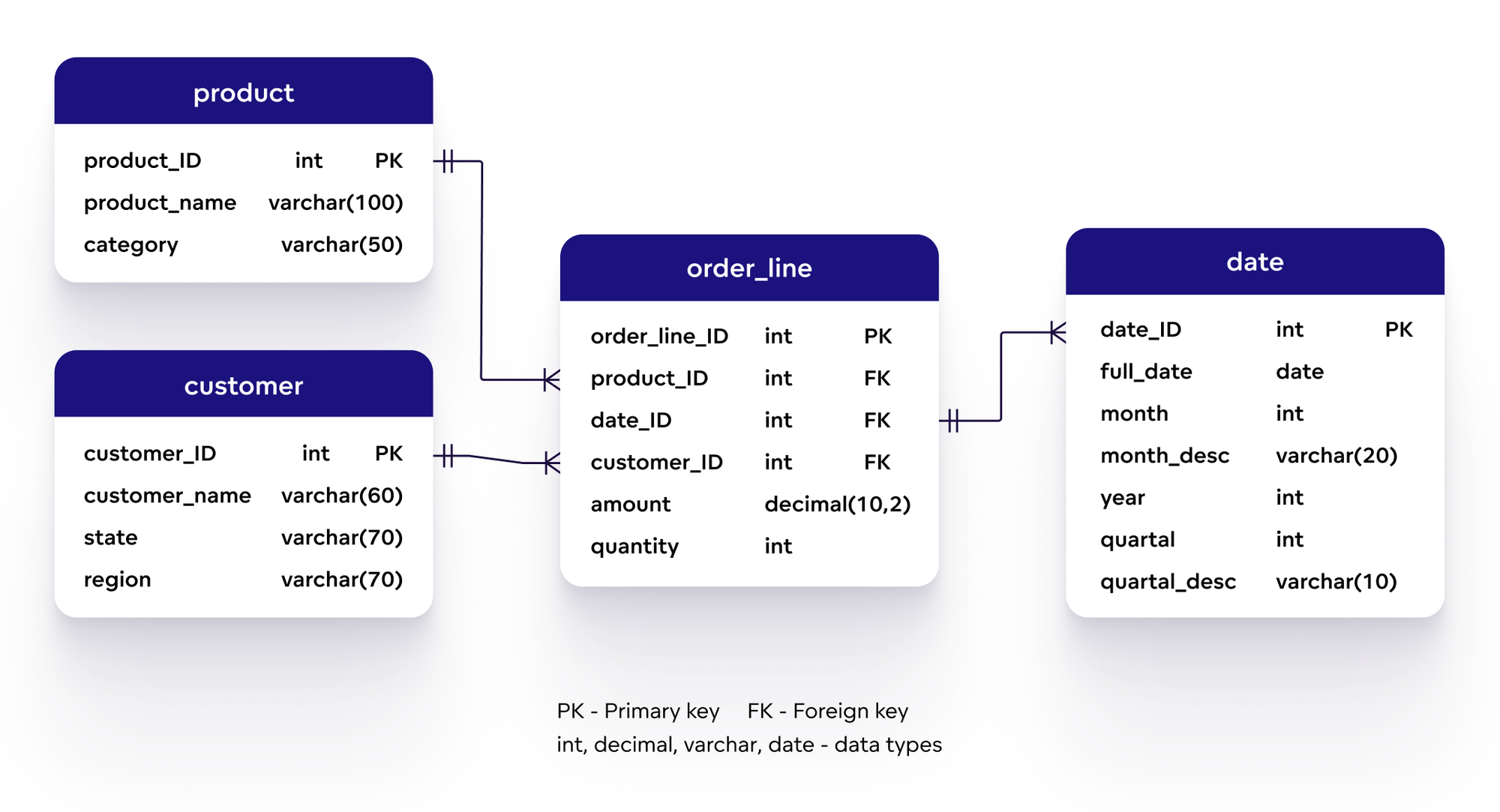
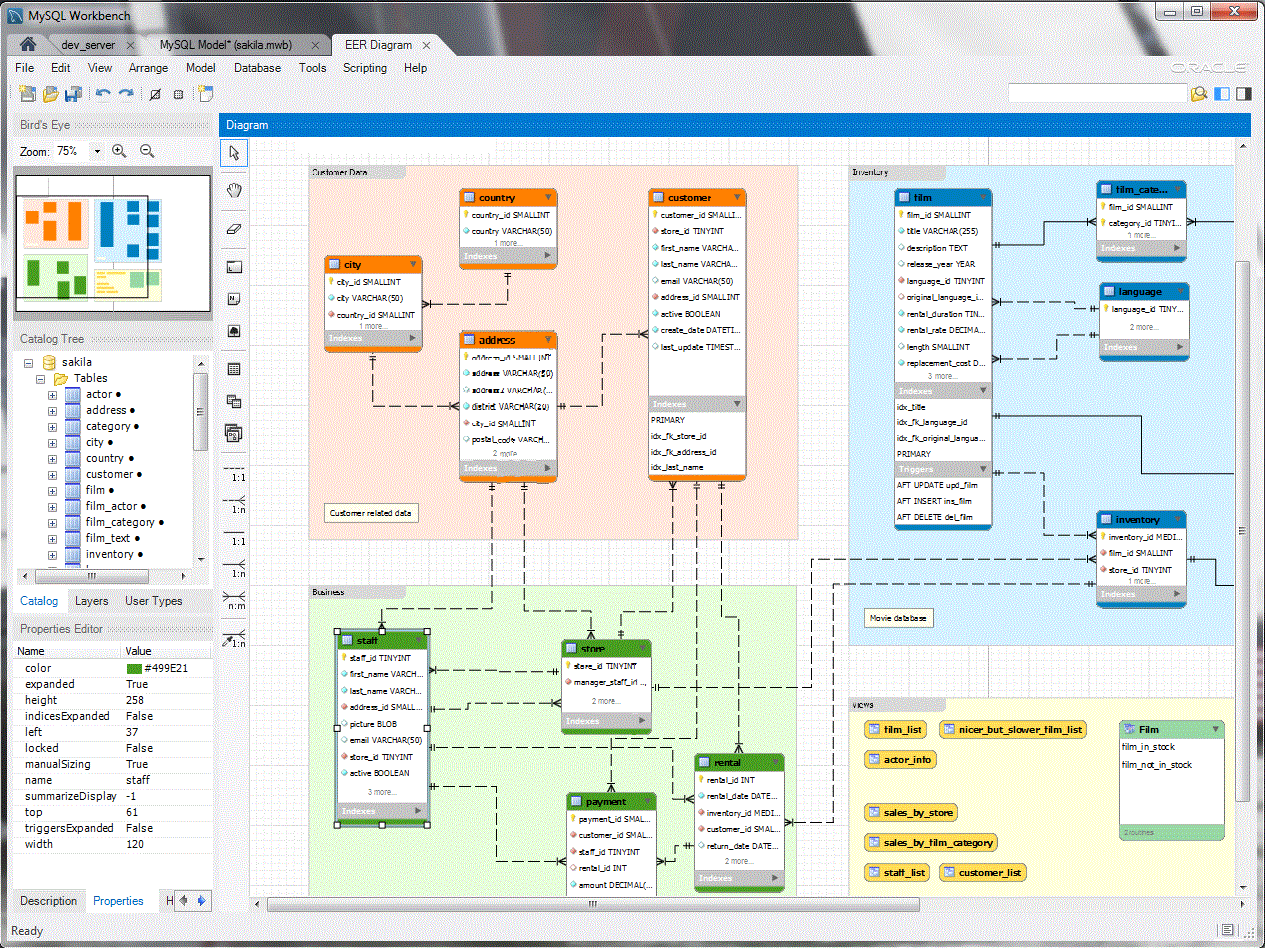 The physical model translates the logical design into a specific database management system like MySQL, PostgreSQL, or SQL Server.
In this phase, students focus on:
-
Table creation
-
Index design
-
Storage considerations
-
Performance optimization
-
Security implementation
The physical model ensures the database performs efficiently in real-world environments.
Core Topics in a Database Modeling Course
A high-quality database modeling course typically includes the following subjects:
1. Entity-Relationship Modeling
Students learn to design ER diagrams that visually represent data relationships and constraints.
2. Database Normalization
Normalization techniques reduce data duplication and prevent anomalies in insert, update, and delete operations.
3. Constraints and Data Integrity
The course explains how primary keys, foreign keys, unique constraints, and check constraints maintain accurate and reliable data.
4. Dimensional Modeling
For data warehousing and analytics systems, students explore star schema and snowflake schema designs.
5. Performance Optimization
Understanding indexing strategies and denormalization techniques helps improve query performance.
Benefits of Taking a Database Modeling Course
Strong Foundation for Database Development
Before writing complex SQL queries, a well-designed schema must exist. Database modeling provides this foundation.
Improved Problem-Solving Skills
Designing a database requires logical thinking and careful planning, which enhances analytical skills.
Career Opportunities
Database modeling knowledge is essential for roles such as:
-
Database Administrator
-
Data Engineer
-
Data Analyst
-
Backend Developer
-
Data Architect
Organizations seek professionals who understand both business requirements and technical implementation.
Practical Applications
A database modeling course often includes hands-on projects, such as:
-
Designing a hospital management database
-
Creating an e-commerce platform schema
-
Building a banking transaction system
-
Modeling a university registration system
Students use modeling tools to create diagrams and implement databases using SQL.
Project-based learning ensures students gain real-world experience and confidence.
Challenges in Database Modeling
While database modeling is powerful, it can be complex. Common challenges include:
-
Understanding ambiguous business requirements
-
Managing evolving data needs
-
Balancing normalization with performance
-
Designing many-to-many relationships
A structured course helps students develop strategies to overcome these obstacles.
The Future of Database Modeling
With the rise of cloud computing, big data, and NoSQL systems, database modeling continues to evolve. Modern courses also introduce:
-
Modeling for distributed systems
-
Data lakes and hybrid architectures
-
Scalable cloud database design
-
Real-time data processing models
Even as technologies change, the principles of structured design and data integrity remain fundamental.
Conclusion
A data modeling courses online provides the essential skills needed to design efficient and scalable database systems. From conceptual diagrams to physical implementation, students learn how to transform business needs into structured technical solutions.
In a world driven by data, strong database modeling skills are critical for building reliable applications, supporting analytics, and ensuring long-term system performance. Investing in a database modeling course is a strategic step toward a successful career in technology and data management.
Comments
Post a Comment