Data Modeling Training: Building Strong Foundations for Database Success
In today’s data-driven environment, organizations depend on structured and reliable information to operate efficiently and make informed decisions. Poorly designed databases can lead to redundancy, data inconsistencies, and performance issues. This is why data modeling training is essential for anyone working with databases, analytics systems, or enterprise applications.
Data modeling training equips professionals and students with the knowledge and practical skills required to design structured, scalable, and efficient database systems. It forms the backbone of database development and modern data architecture.
What Is Data Modeling?
Data modeling is the process of designing a structured representation of data elements and defining relationships between them. It acts as a blueprint before building a database.
Through training, participants learn how to translate business requirements into logical and physical database structures. This ensures that systems are accurate, efficient, and easy to maintain.
Core Levels of Data Modeling Training
A comprehensive data modeling training program typically covers three primary stages:
1. Conceptual Data Modeling
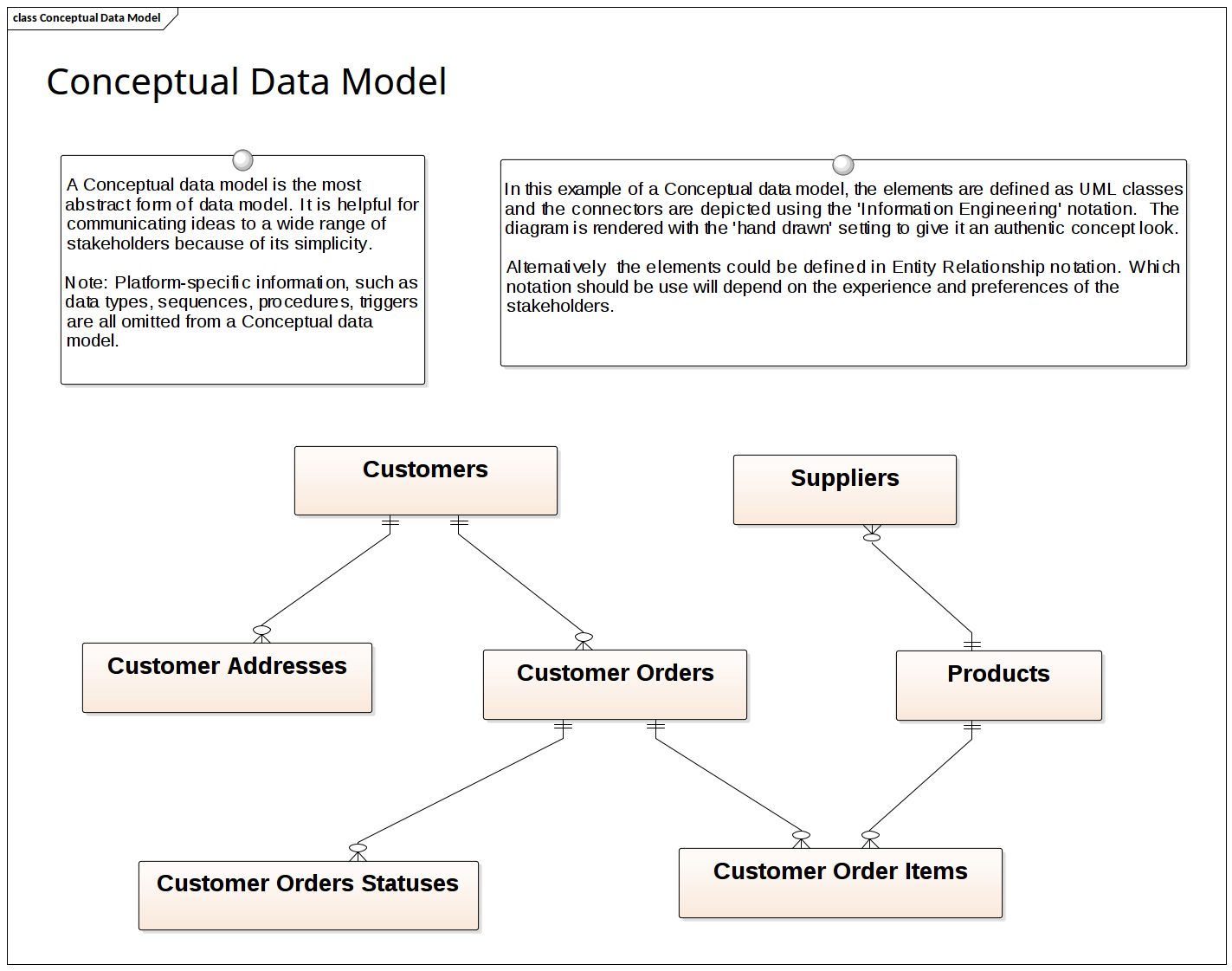
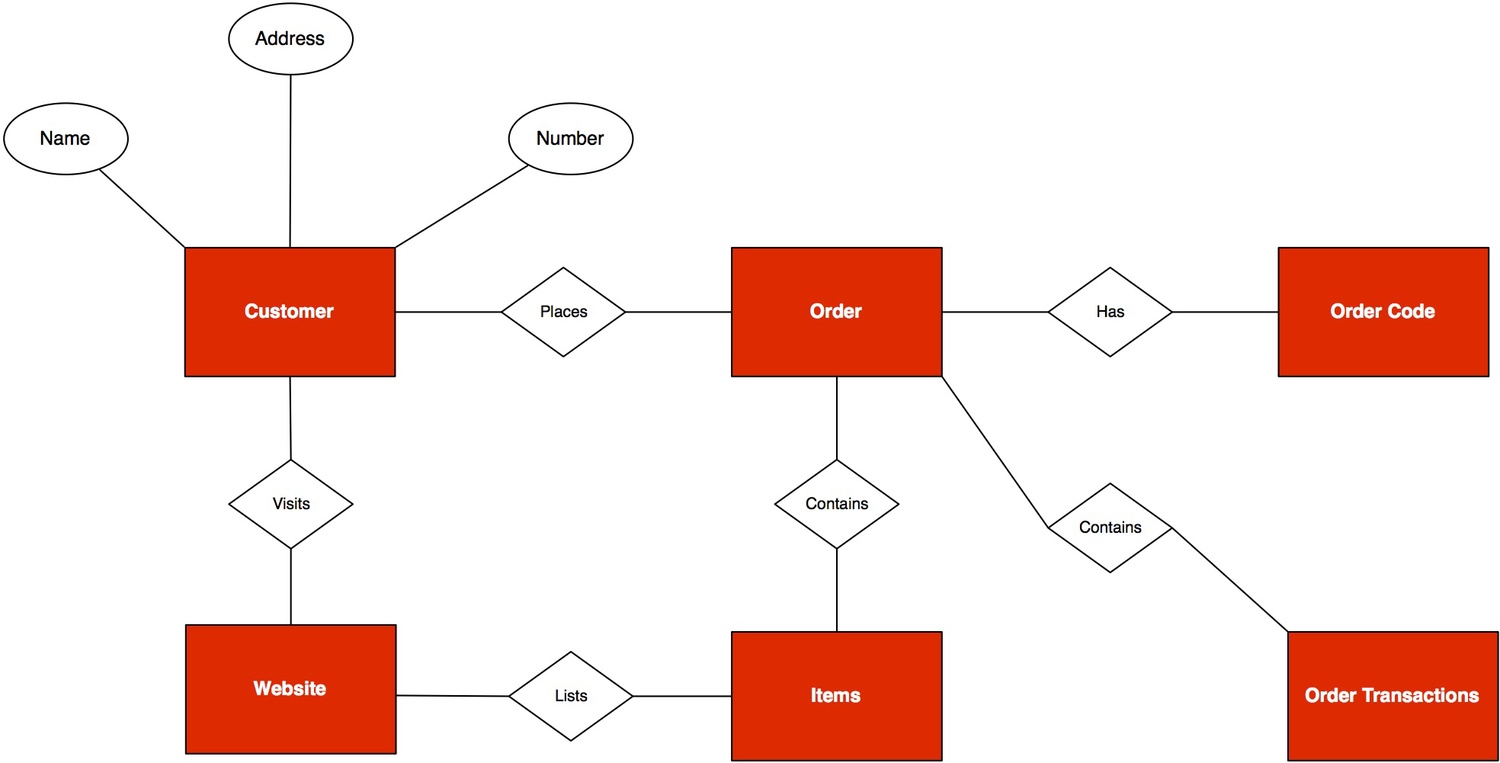
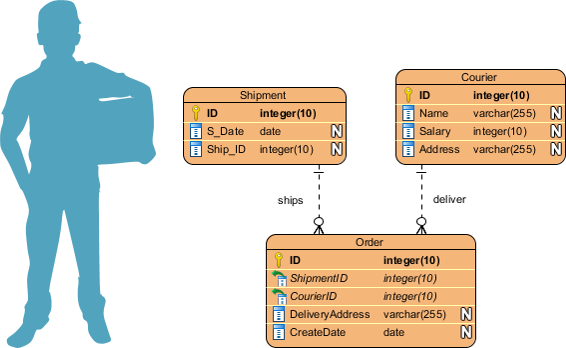
Conceptual modeling focuses on identifying major entities and their relationships at a high level. It does not include technical details such as data types or indexes.
For example, in a retail system, key entities may include:
-
Customer
-
Order
-
Product
-
Supplier
Training at this level teaches participants to:
-
Identify entities
-
Define relationships
-
Understand cardinality (one-to-one, one-to-many, many-to-many)
-
Capture business rules clearly
This stage emphasizes communication between technical teams and business stakeholders.
2. Logical Data Modeling

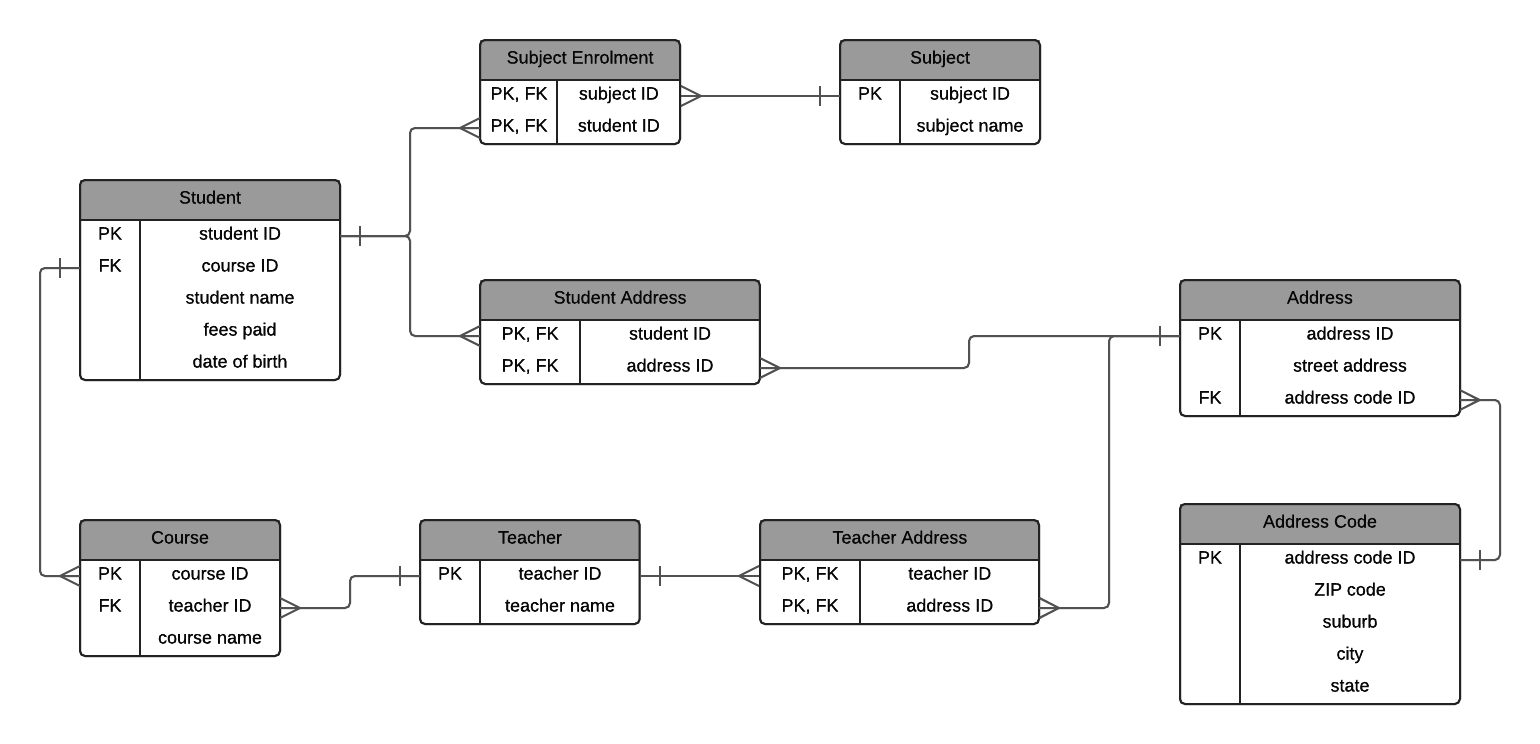


Logical modeling adds detailed structure to the conceptual design. It includes:
-
Attributes
-
Primary keys
-
Foreign keys
-
Data types
-
Constraints
A key focus during training is normalization, which reduces redundancy and improves data integrity. Participants typically learn:
-
First Normal Form (1NF)
-
Second Normal Form (2NF)
-
Third Normal Form (3NF)
By practicing normalization, trainees understand how improper design can lead to data anomalies and inefficiencies.
3. Physical Data Modeling
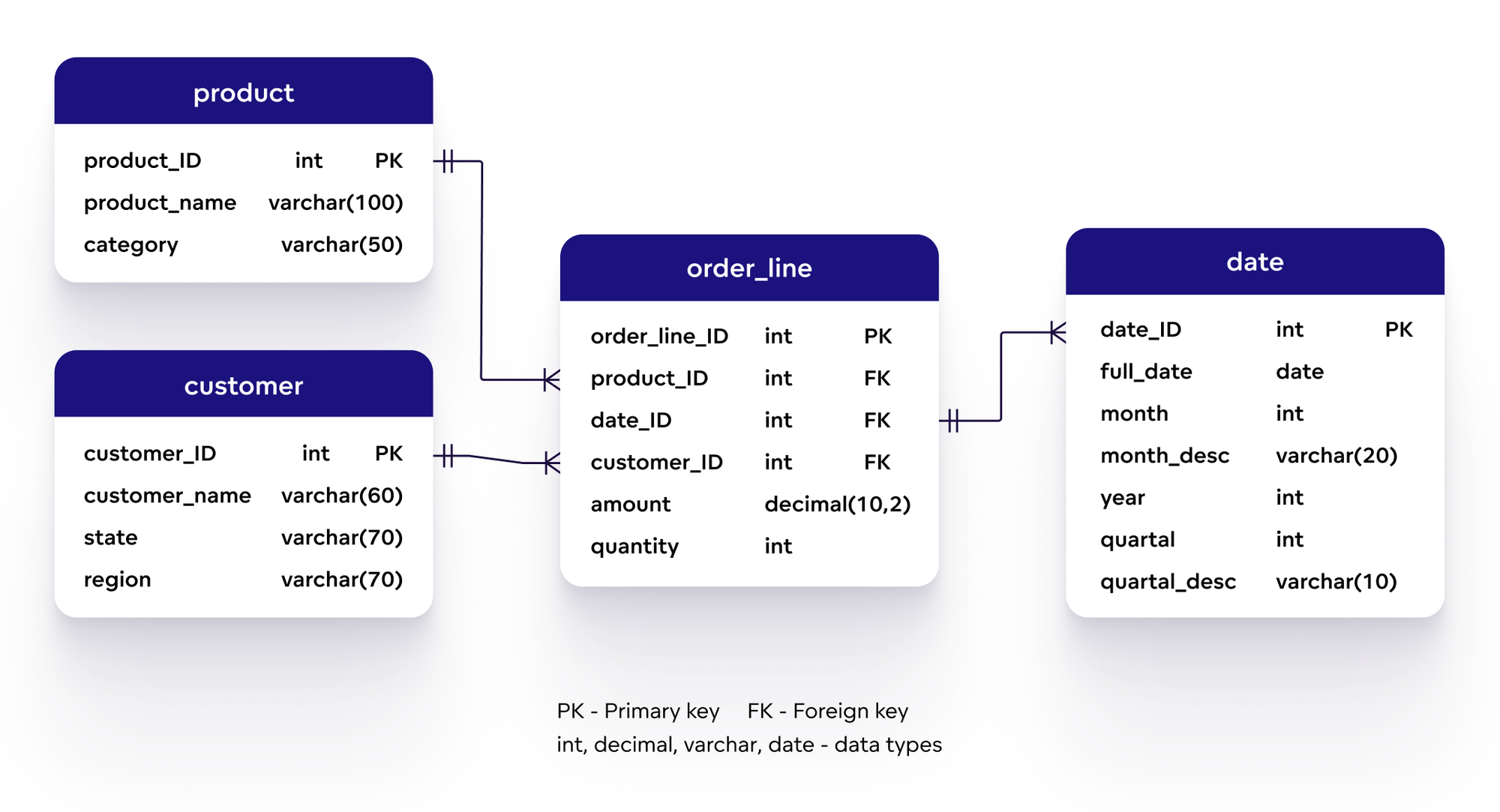

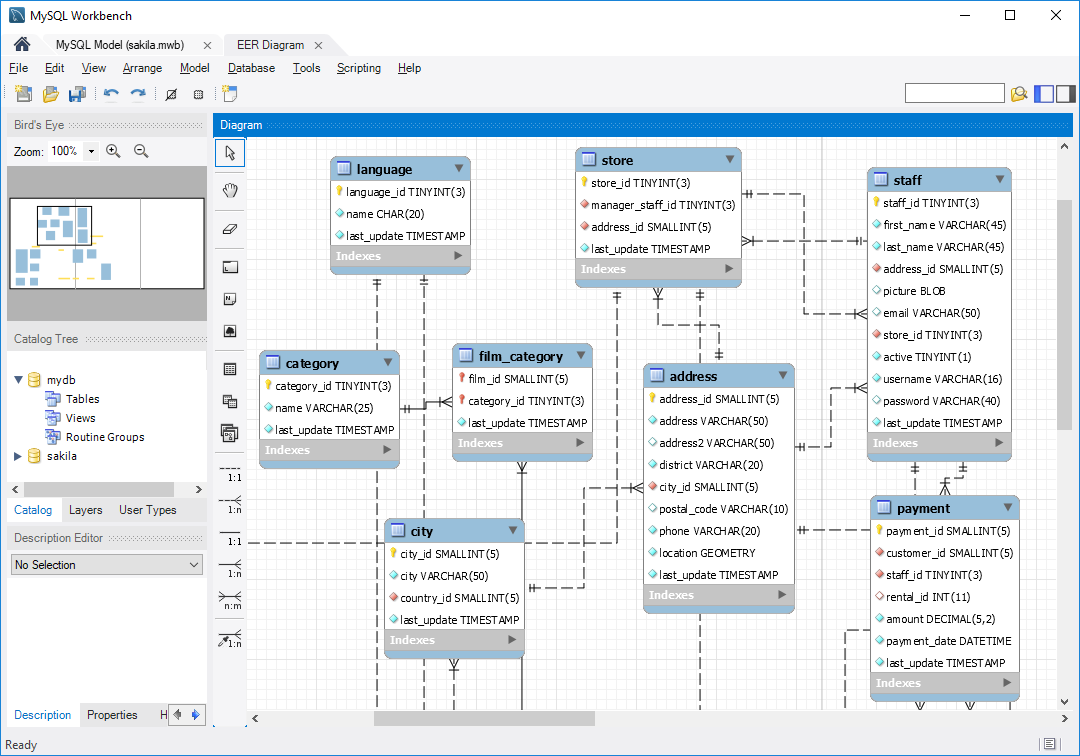
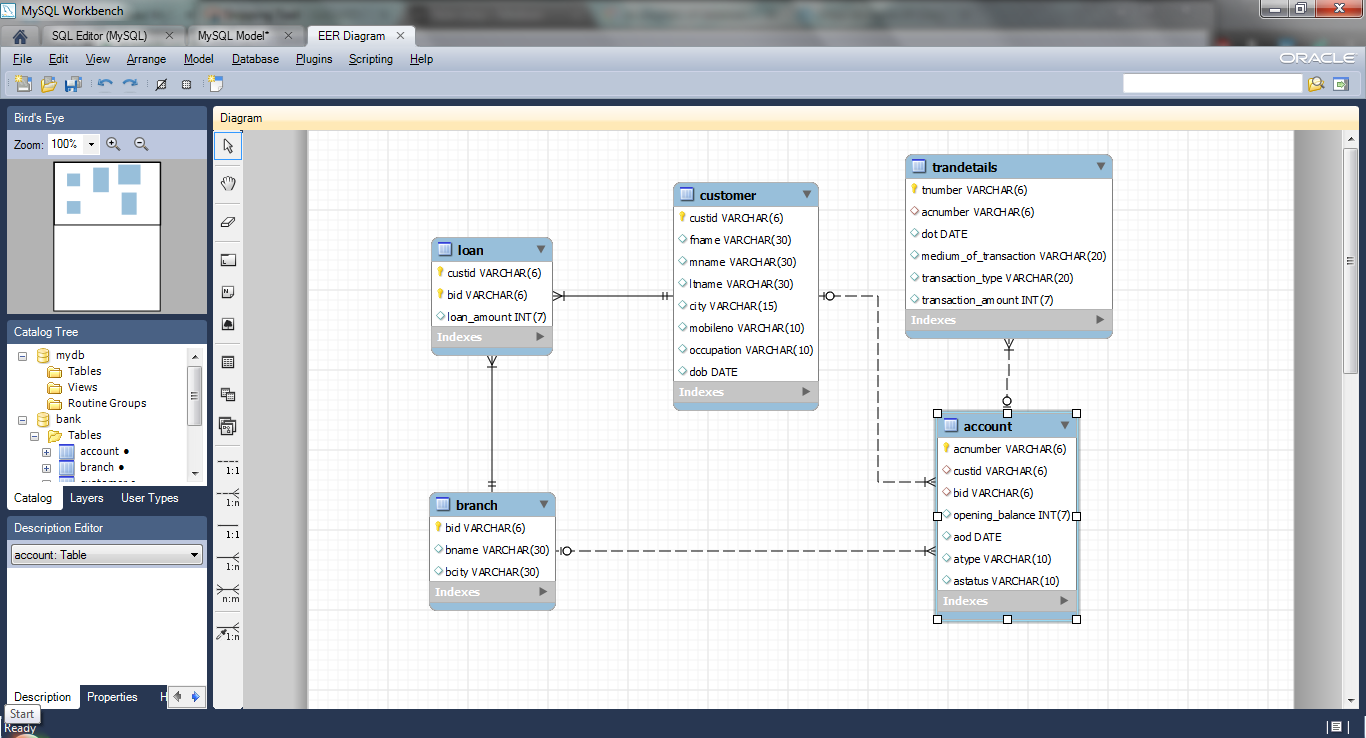
Physical modeling transforms logical designs into actual database implementations within systems like MySQL, PostgreSQL, or SQL Server.
Training at this level includes:
-
Table creation
-
Indexing strategies
-
Storage considerations
-
Performance optimization
-
Security implementation
This stage connects theory to real-world database deployment.
Key Topics Covered in Data Modeling Training
A well-structured training program includes:
Entity-Relationship (ER) Modeling
Participants learn to create ER diagrams that visually represent database structure.
Database Constraints
Data accuracy is guaranteed by primary keys, foreign keys, check constraints, and unique constraints.
Normalization and Denormalization
Understanding when to normalize for integrity and when to denormalize for performance is critical.
Dimensional Modeling
For analytics and reporting systems, training often introduces star schema and snowflake schema models.
Performance Tuning
Index design and query optimization are taught to improve database efficiency.
Benefits of Data Modeling Training
1. Strong Technical Foundation
Training provides essential skills for database development and management.
2. Improved Problem-Solving Skills
Designing databases requires logical thinking and attention to detail.
3. Career Advancement
Data modeling skills are highly valued in roles such as:
-
Data Analyst
-
Database Administrator
-
Data Engineer
-
Backend Developer
-
Data Architect
Organizations across industries rely on professionals who can design efficient data systems.
4. Reduced System Errors
Proper modeling reduces redundancy, prevents inconsistencies, and improves system reliability.
Who Should Enroll in Data Modeling Training?
Data modeling training is suitable for:
-
IT professionals seeking advanced database skills
-
Students studying computer science or information systems
-
Data analysts expanding technical knowledge
-
Software developers working with databases
-
Professionals transitioning into data-related careers
Both beginners and experienced professionals can benefit, depending on the depth of the course.
Practical Approach in Training Programs
Effective training programs emphasize hands-on learning. Participants may work on projects such as:
-
Designing an e-commerce database
-
Modeling a hospital management system
-
Creating a banking transaction schema
-
Developing a university enrollment database
Practical exercises strengthen understanding and simulate real-world scenarios.
The Growing Importance of Data Modeling
With the rise of cloud computing, big data, and real-time analytics, structured data design is more important than ever. Modern training programs may also introduce:
-
Cloud-based database modeling
-
NoSQL data structures
-
Big data integration
-
Scalable system architecture
Despite evolving technologies, the core principles of data modeling remain fundamental.
Conclusion
data modeling training courses is a crucial investment for anyone working with databases or data systems. It provides the skills needed to design structured, scalable, and high-performance databases that support business operations and analytics.
In a world increasingly driven by data, professionals who understand how to organize and structure information effectively are in high demand. By completing data modeling training, you gain the knowledge and confidence to build reliable data systems that stand the test of time.
Comments
Post a Comment