Data Modeling Course – Complete Career Guide


Introduction
Data is one of an organization's most important assets in the contemporary digital economy.. Companies depend on accurate, structured, and well-managed data to support decision-making, operations, and long-term strategies. A Data Modeling course teaches you how to design, organize, and structure data efficiently so it can be stored and retrieved without errors or performance issues.
Data modeling is considered the backbone of database design. Without a proper data model, applications may suffer from slow performance, redundancy, and data inconsistency. By learning data modeling, you develop the skills required to create reliable databases and scalable data warehouse systems.
What is Data Modeling?
Data modeling is the process of creating a visual and technical representation of data elements and their relationships. It defines how data is connected, stored, and managed within a system. The goal is to ensure that data is accurate, consistent, and easy to maintain.
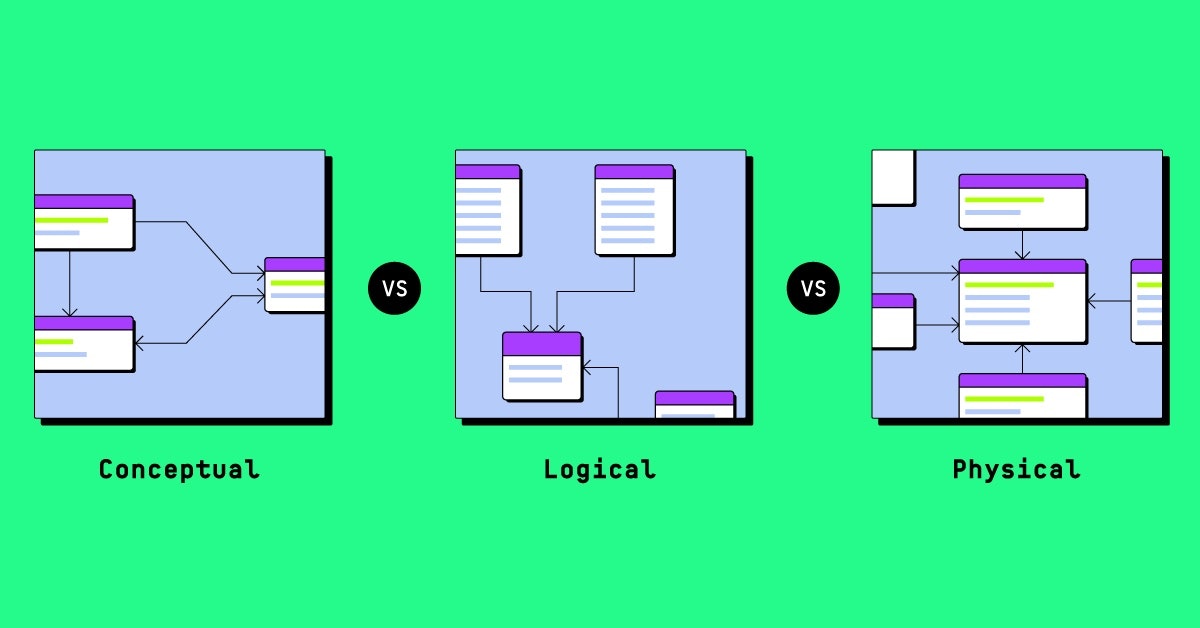
There are three main levels of data modeling:
Conceptual Data Model:
This is a high-level view of the system. It identifies major entities and the relationships between them without going into technical details.
Logical Data Model:
This model adds more detail by defining attributes, primary keys, foreign keys, and constraints. It focuses on structure but does not depend on a specific database platform.
Physical Data Model:
This is the final implementation stage where tables, indexes, and storage specifications are created within a database management system.
Why Enroll in a Data Modeling Course?
A structured data modeling course provides both theoretical knowledge and practical experience. Here are some key benefits:
High Market Demand:
Organizations across industries need professionals who can design efficient database systems. Data modeling skills are essential in banking, healthcare, retail, telecommunications, and IT services.
Foundation for Data Careers:
Data modeling is a core skill for roles such as Data Analyst, Data Engineer, Database Developer, Business Intelligence Developer, and Data Architect.
Improved System Performance:
A well-designed model reduces redundancy, ensures data integrity, and improves query performance.
Better Decision-Making:
Accurate data structures help organizations generate meaningful reports and analytics for strategic planning.
Course Curriculum Overview
A comprehensive Data Modeling course generally includes the following topics:
Database Fundamentals
-
Introduction to relational databases
-
Understanding tables, rows, and columns
-
Primary keys and foreign keys
-
Data types and constraints
Entity Relationship Modeling
-
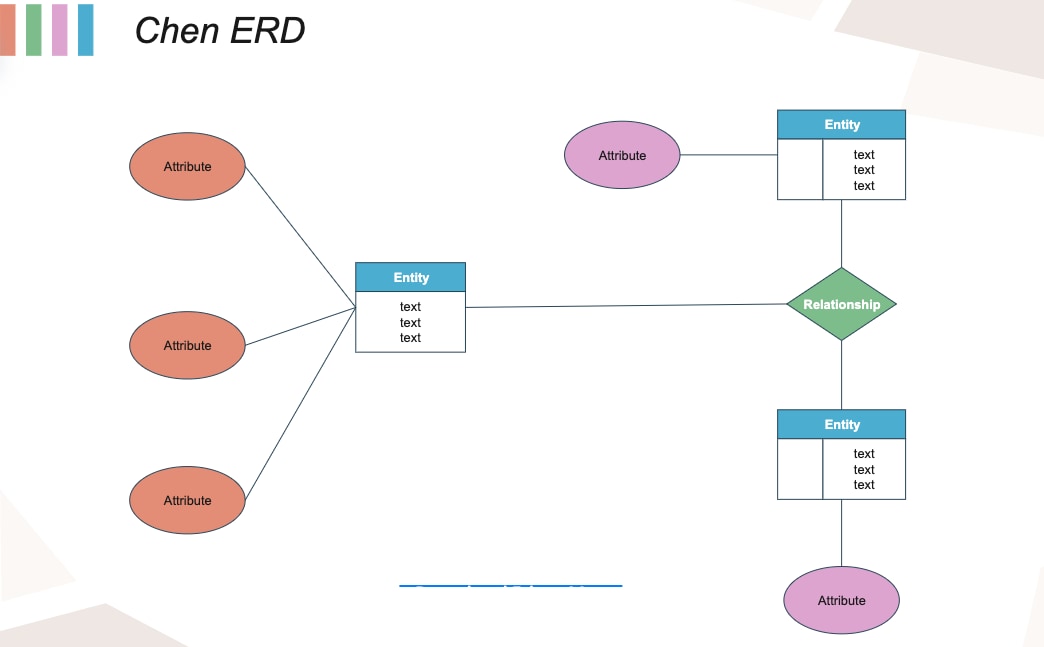
Creating ER diagrams
-
Identifying entities and attributes
-
Defining relationships
-
Understanding cardinality and constraints
Normalization Techniques
-
First Normal Form (1NF)
-
Second Normal Form (2NF)
-
Third Normal Form (3NF)
-
Avoiding redundancy and anomalies
Data Warehouse Modeling
-
Star schema design
-
Snowflake schema
-
Fact tables and dimension tables
-
Slowly Changing Dimensions (SCD)
Advanced Concepts
-
Indexing strategies
-
Performance optimization
-
Data governance basics
-
Metadata management
Practical Implementation
Students typically practice designing schemas using SQL and data modeling tools. Real-time case studies help learners apply theoretical knowledge to real business scenarios.
Who Should Take This Course?
A Data Modeling course is suitable for:
-
IT and Computer Science graduates
-
Database Administrators
-
SQL Developers
-
ETL Developers
-
Business Intelligence professionals
-
Aspiring Data Engineers
Even beginners with basic database knowledge can gradually learn advanced modeling techniques through structured training.
Career Opportunities
After completing a Data Modeling course, you can pursue various career paths, including:
-
Data Modeler
-
Database Designer
-
Data Engineer
-
BI Developer
-
Data Architect
With experience and advanced expertise, professionals can move into senior architect or enterprise data management roles.
Key Advantages of Learning Data Modeling
-
Strong foundation in database architecture
-
Improved logical and analytical thinking
-
High industry demand
-
Essential skill for analytics and big data projects
-
Ability to design scalable and efficient systems
Conclusion
A data modeling training courses is an excellent investment for anyone looking to build a career in the data and analytics field. As businesses continue to generate massive volumes of information, the need for structured and well-organized databases becomes increasingly important.
By mastering conceptual, logical, and physical data modeling techniques, you gain the ability to design robust database systems that support business growth and innovation. With the right training and consistent practice, data modeling can open doors to rewarding and long-term career opportunities in the evolving world of technology.
Comments
Post a Comment