Data Modeling Class: A Complete Guide to Learning Database Design
A Data Modeling class is a foundational course in information systems, database management, and data analytics programs. It teaches students how to design structured data systems that are efficient, scalable, and aligned with business requirements. Whether you are studying computer science, information technology, or business analytics, this class plays a critical role in building strong technical skills.
Data modeling is not just about creating tables it is about understanding how data flows within an organization and designing systems that support decision-making and operational efficiency.
What Is Data Modeling?
Data modeling is the process of creating a visual and technical representation of data structures. It defines:
-
What data should be stored
-
How data elements relate to one another
-
How data will be organized in databases
-
Rules that ensure data accuracy and integrity
In a data modeling class, students learn how to transform business requirements into structured database designs.
Types of Data Models Covered in Class
1. Conceptual Data Model
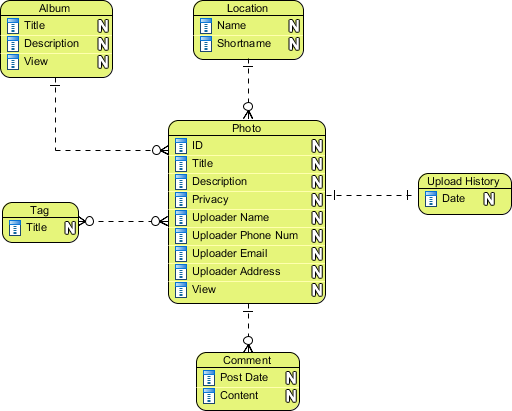
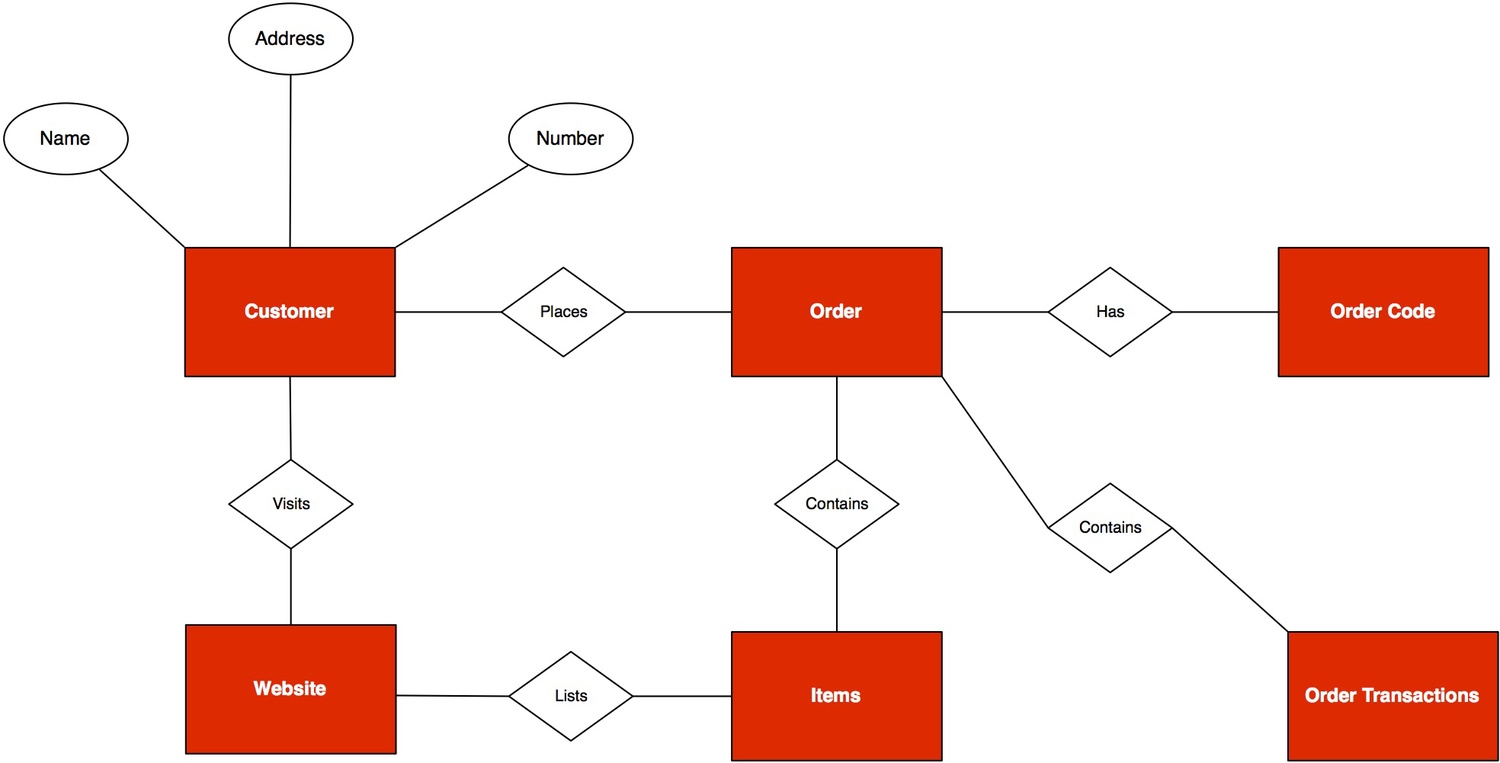
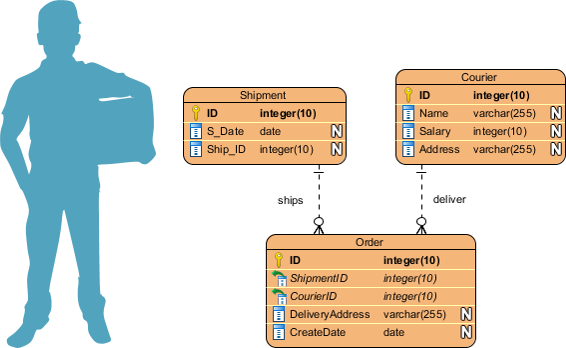
The conceptual model provides a high-level overview of data entities and relationships. It does not focus on technical details but instead captures business concepts.
For example, in a school system, entities may include:
-
Student
-
Teacher
-
Course
-
Enrollment
At this stage, the emphasis is on understanding what data exists rather than how it will be stored.
Students learn how to:
-
Identify entities
-
Define relationships
-
Understand cardinality (one-to-one, one-to-many, many-to-many)
2. Logical Data Model

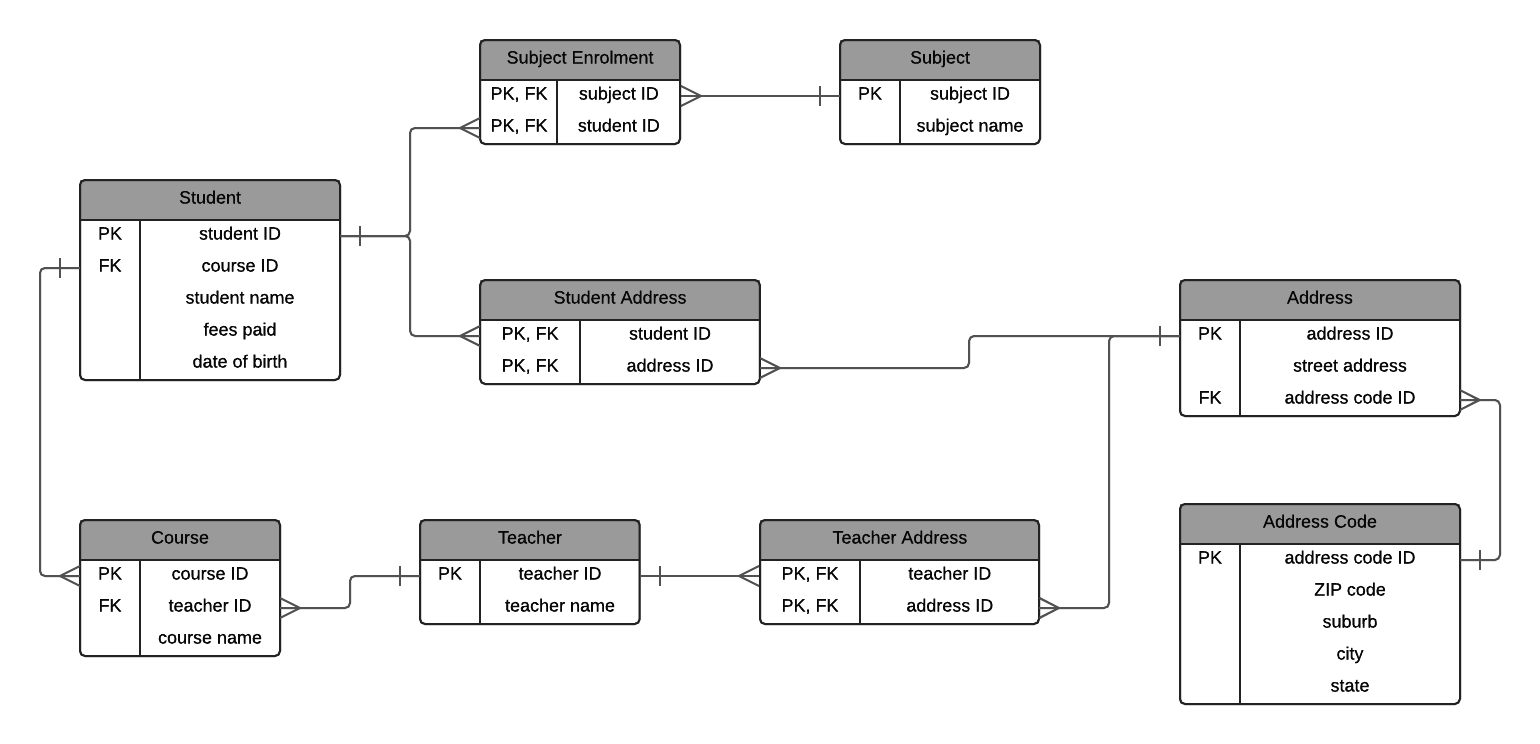


The logical model adds structure and detail. It includes:
-
Attributes (e.g., Student Name, Course Code)
-
Primary keys
-
Foreign keys
-
Data types
This is where students learn normalization, a technique used to eliminate redundancy and improve data integrity. A data modeling class typically covers:
-
First Normal Form (1NF)
-
Second Normal Form (2NF)
-
Third Normal Form (3NF)
Through practical exercises, students discover how poorly designed databases can lead to duplication, inconsistency, and update anomalies.
3. Physical Data Model
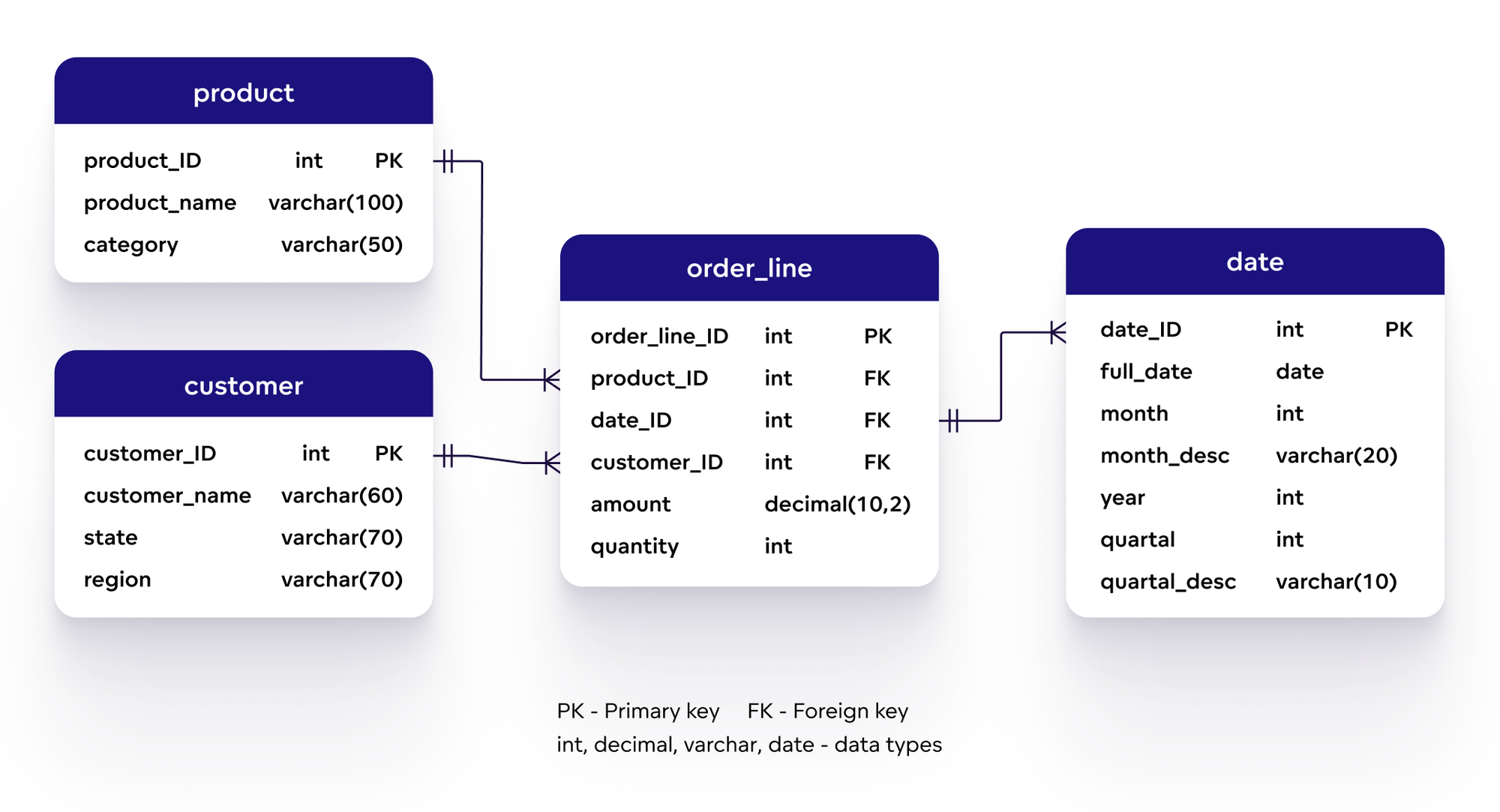

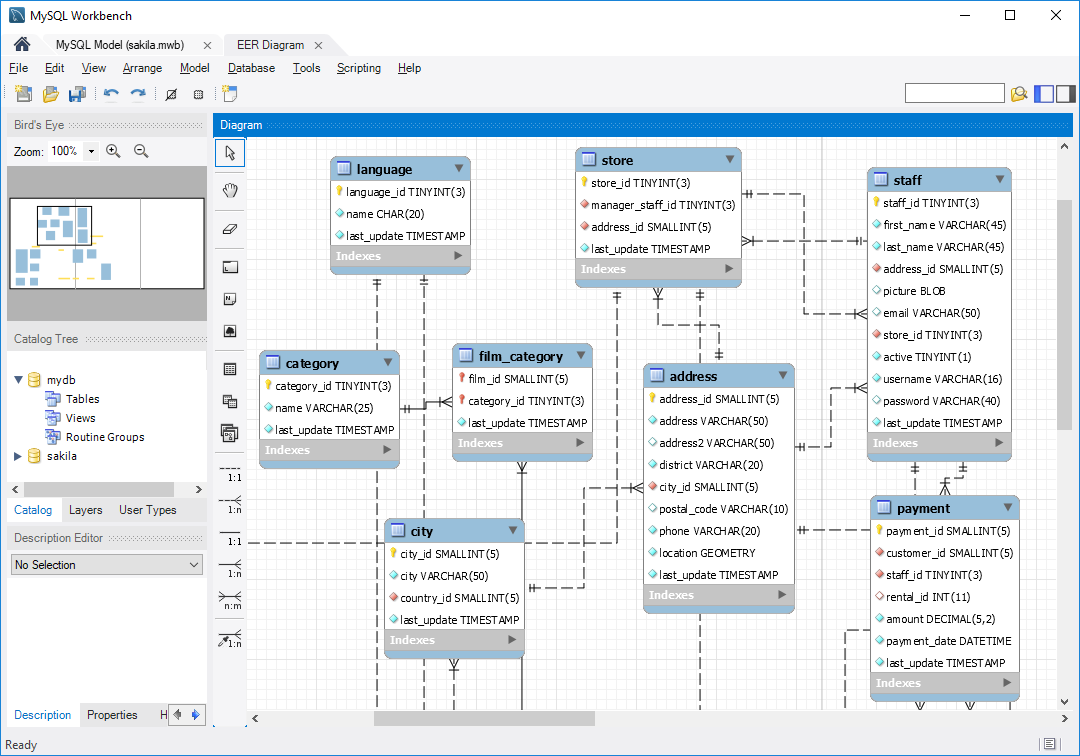
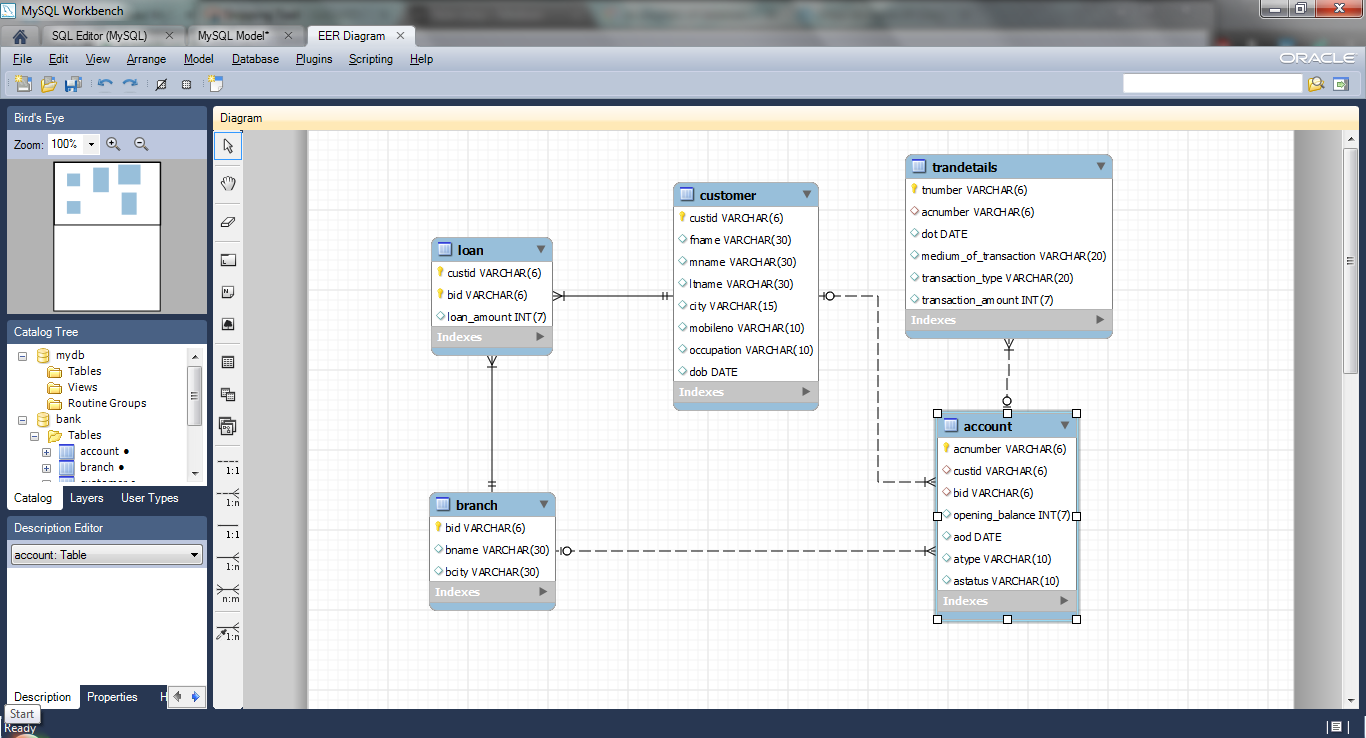
The physical model represents how the database will actually be implemented in a specific database management system such as MySQL, PostgreSQL, or SQL Server.
In this phase, students focus on:
-
Table structures
-
Indexes
-
Constraints
-
Storage optimization
-
Performance tuning
This stage connects theory to real-world application.
Important Subjects Covered in a Data Modeling Course
A comprehensive data modeling class usually includes the following core topics:
Entity-Relationship (ER) Modeling
Students learn to create ER diagrams that visually represent data relationships.
Database Constraints
Constraints such as primary keys, foreign keys, and unique constraints ensure data integrity.
Normalization and Denormalization
While normalization improves data structure, denormalization may improve performance in certain systems.
Dimensional Modeling
For data warehousing, students are introduced to star schema and snowflake schema designs.
Data Integrity and Governance
Some classes also introduce data quality, metadata, and governance concepts to prepare students for enterprise environments.
Why Is a Data Modeling Class Important?
1. Builds Strong Database Foundations
Before writing complex SQL queries, students must understand database structure. A strong model ensures efficient querying and reliable reporting.
2. Enhances Analytical Skills
Designing data models requires logical thinking and problem-solving skills, which are essential in data science and analytics careers.
3. Supports Career Growth
Data modeling skills are required in roles such as:
-
Data Analyst
-
Database Administrator
-
Data Engineer
-
Data Architect
-
Backend Developer
Employers value professionals who understand how data is structured behind applications and reports.
Practical Learning in Data Modeling
Most data modeling classes include hands-on projects such as:
-
Designing an online shopping database
-
Creating a hospital management system model
-
Modeling a banking transaction system
-
Building a university registration database
Students may use diagramming tools or database software to practice creating schemas and implementing them.
Project-based learning helps bridge the gap between theory and real-world application.
Common Challenges Students Face
Although data modeling is essential, students may initially struggle with:
-
Understanding complex business requirements
-
Applying normalization correctly
-
Designing many-to-many relationships
-
Balancing performance with structure
However, with consistent practice and feedback, these challenges become manageable.
Future Relevance of Data Modeling
As technology evolves, data modeling remains highly relevant. Modern systems include:
-
Cloud-based databases
-
Big data platforms
-
NoSQL systems
-
Real-time data processing
Even in advanced systems, understanding relationships and data structure remains fundamental. A strong background in data modeling allows professionals to adapt to new technologies more easily.
Conclusion
A data modeling certification is a crucial step for anyone pursuing a career in technology, analytics, or database management. It teaches students how to design structured, reliable, and scalable data systems. From conceptual diagrams to physical database implementation, the skills learned in this class form the backbone of efficient information systems.
In a world where data drives business decisions, mastering data modeling is not optional—it is essential.
Comments
Post a Comment