Data Modeling: The Backbone of Intelligent Information Systems
In today’s data-driven world, organizations rely on accurate, well-structured data to make strategic decisions. Behind every successful application, dashboard, or analytics platform lies a carefully designed data model. A data modeling course equips learners with the knowledge and practical skills needed to structure information efficiently, reduce redundancy, and support scalable systems. Whether you are preparing for a career in database development, analytics, or software engineering, mastering data modeling is essential.
What Is Data Modeling?
Data modeling is the process of designing a structured framework that defines how data is stored, organized, and related within a system. It acts as a blueprint for building databases. By translating business requirements into technical structures, data modeling ensures that systems are efficient, accurate, and adaptable.
A comprehensive data modeling course typically introduces three major types of data models:
-
Conceptual Data Model
-
Logical Data Model
-
Physical Data Model
Each stage builds upon the previous one, gradually transforming business ideas into a fully functional database structure.
Conceptual Data Model
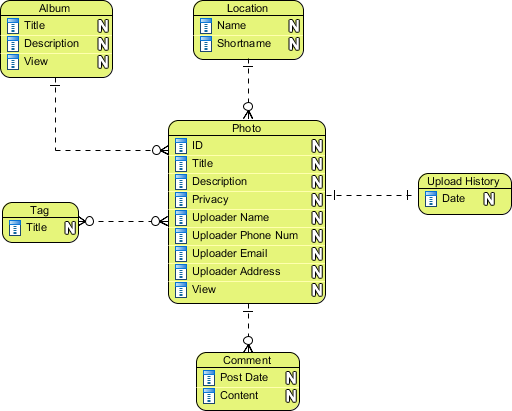
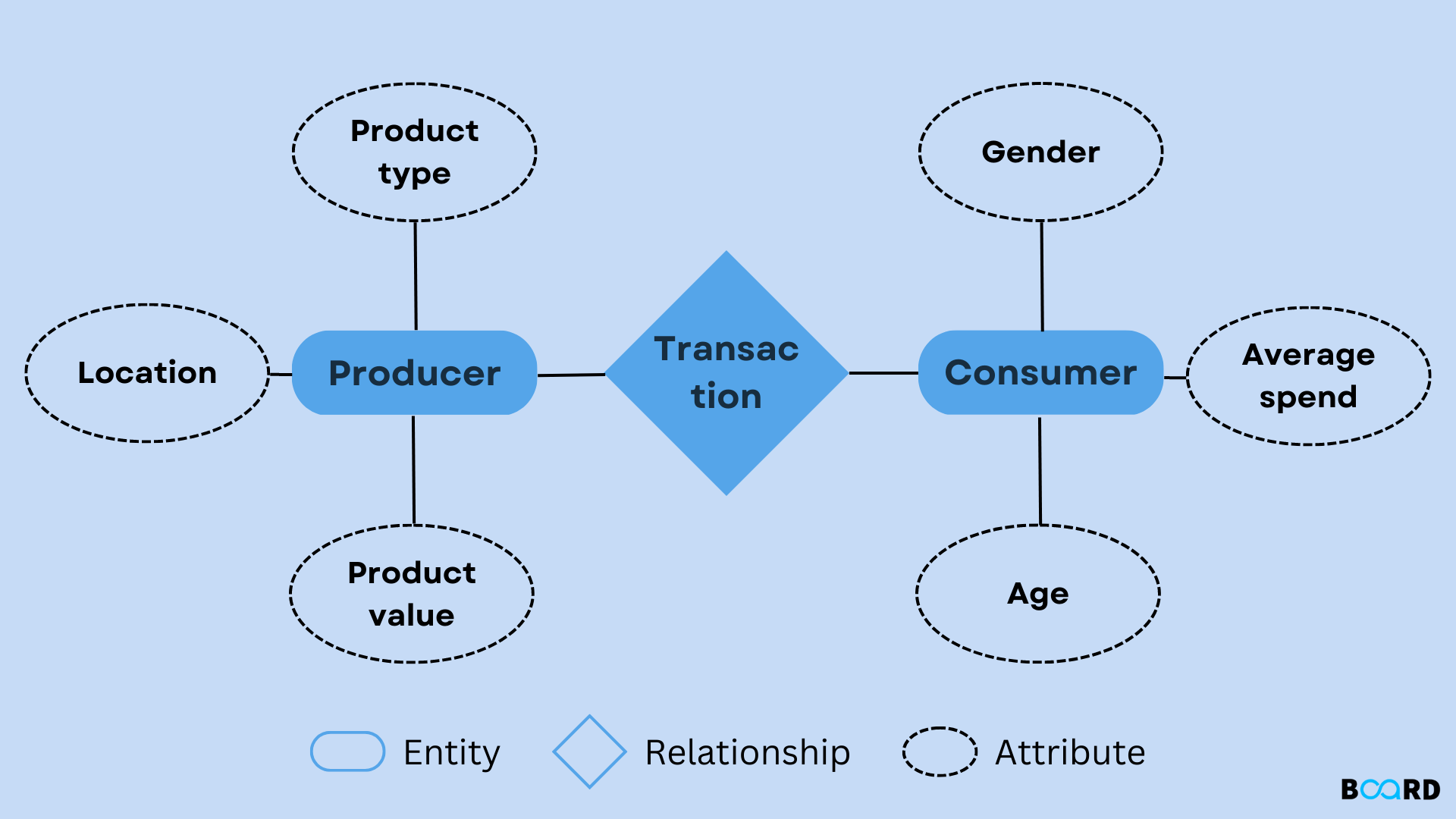
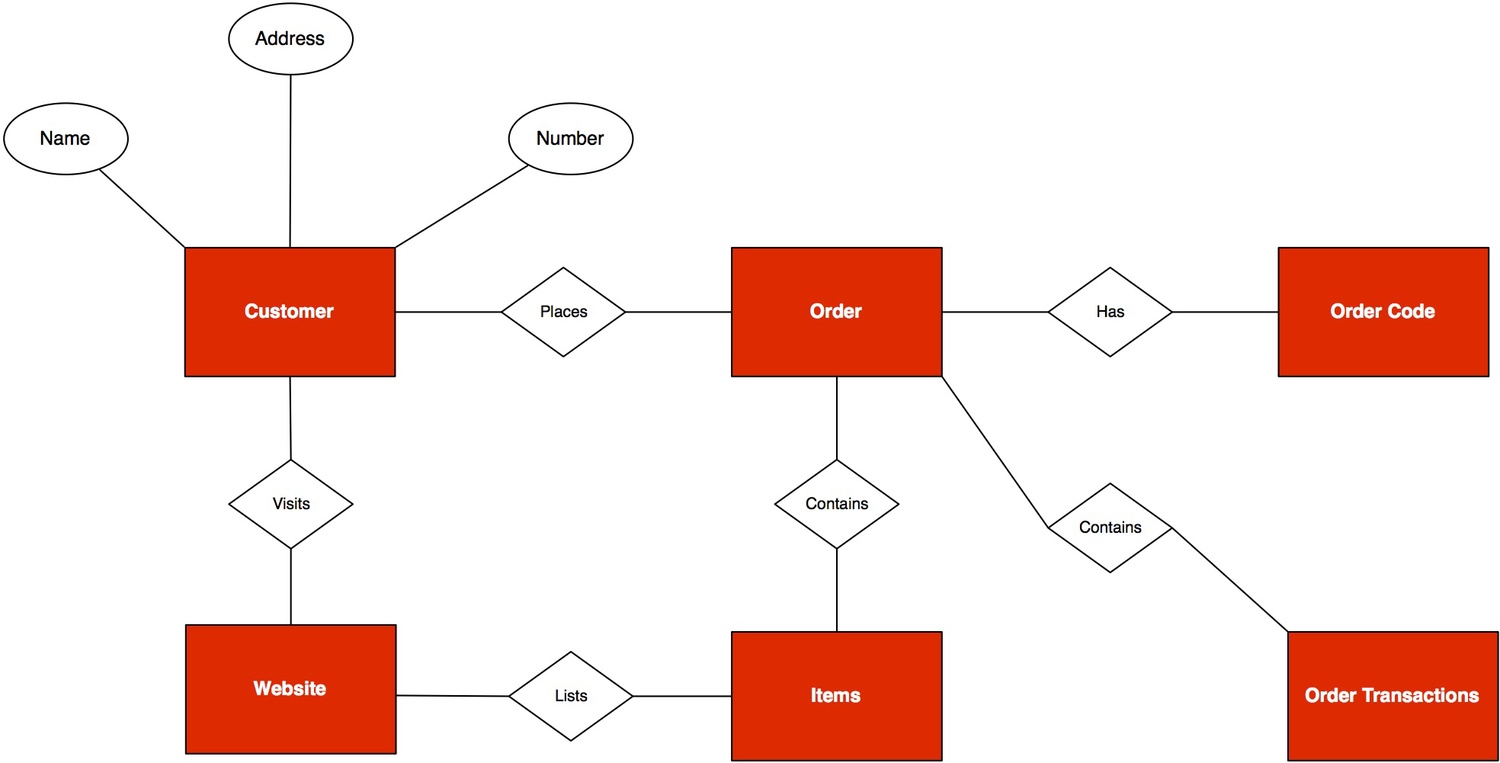
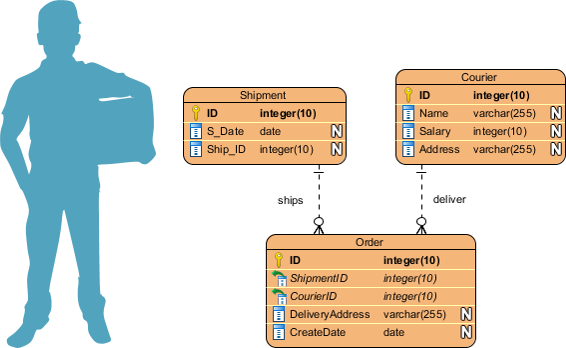
The conceptual data model is the highest-level representation of data. It focuses on identifying key entities and their relationships without worrying about technical implementation details.
In an e-commerce system, for instance, entities could be:
-
Customer
-
Order
-
Product
-
Payment
At this stage, the goal is to understand what data exists and how it relates. This model is often used during discussions with stakeholders to ensure business requirements are correctly captured.
A data modeling course teaches students how to:
-
Identify core entities
-
Define relationships (one-to-one, one-to-many, many-to-many)
-
Clarify business rules
This phase emphasizes clarity and communication rather than technical constraints.
Logical Data Model
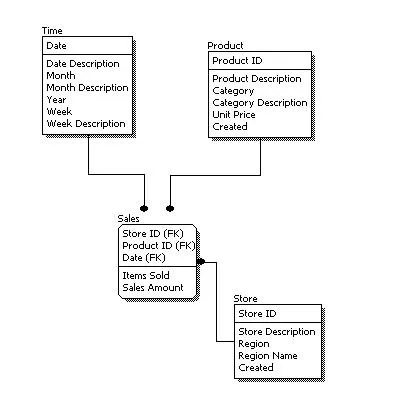

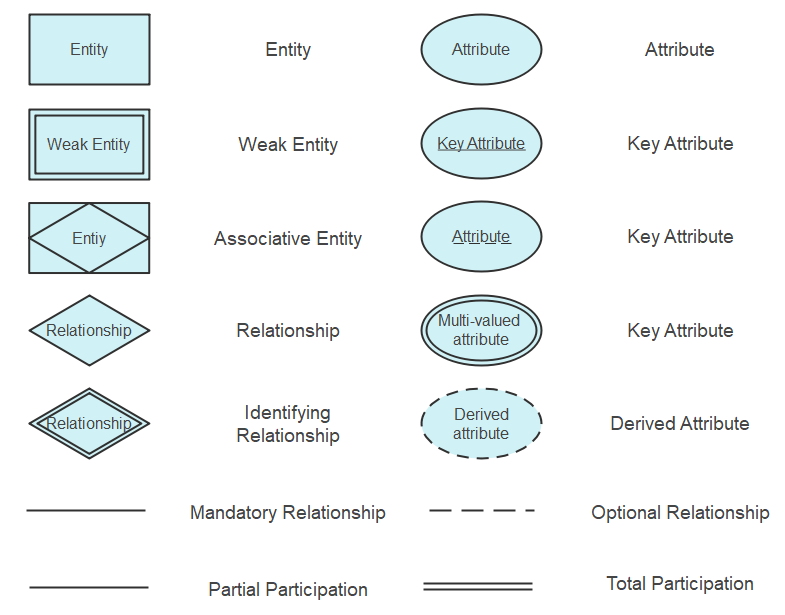

More information is added by the logical data model. It is not dependent on any particular database management system and defines properties, primary keys, and relationships.
In this phase, students learn about:
-
Attributes (e.g., Customer Name, Email, Address)
-
Primary and foreign keys
-
Data types
-
Normalization techniques
Normalization is particularly important. It is the process of organizing data to reduce redundancy and improve integrity. A data modeling course explains normal forms such as:
-
First Normal Form (1NF)
-
Second Normal Form (2NF)
-
Third Normal Form (3NF)
Through practical exercises, learners discover how improper modeling can cause duplicate data, inconsistent updates, and performance issues.
Physical Data Model
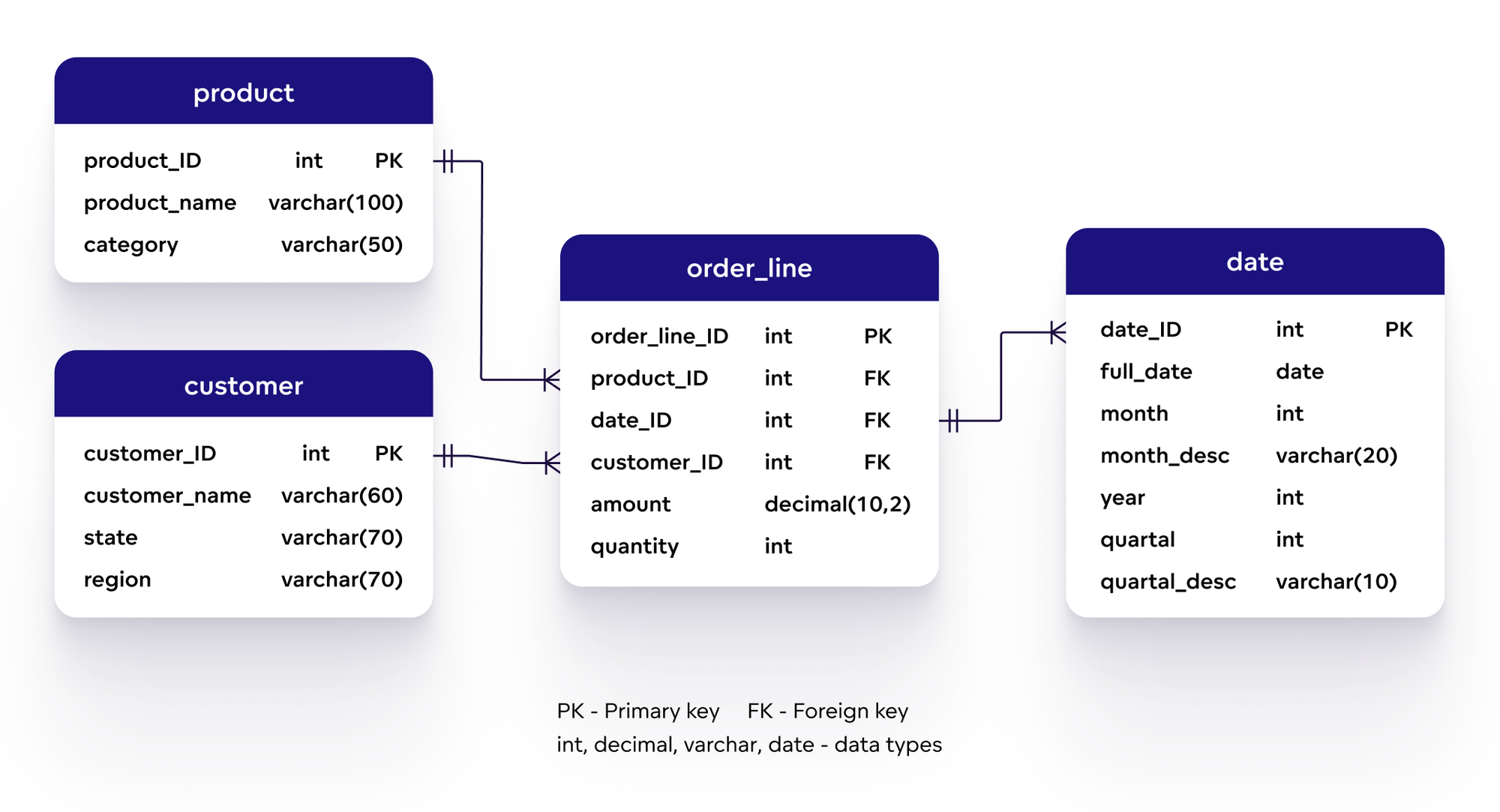
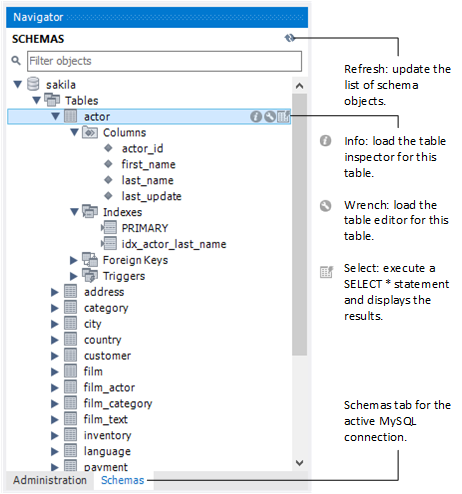


The physical data model translates the logical design into a specific database system implementation. Here, technical details become essential.
Students explore:
-
Table creation
-
Indexes
-
Constraints
-
Storage considerations
-
Performance optimization
At this level, decisions depend on the chosen database system such as relational or NoSQL databases. The physical model ensures the system performs efficiently under real-world workloads.
Why Take a Data Modeling Course?
A structured data modeling course provides both theoretical understanding and hands-on practice. Here are key benefits:
1. Improved Database Design Skills
Students learn how to create scalable, maintainable databases. Proper modeling reduces errors and simplifies future enhancements.
2. Better Communication with Stakeholders
Data modeling bridges the gap between business teams and technical teams. Professionals can translate business requirements into structured designs.
3. Strong Foundation for Advanced Topics
Data modeling is fundamental for:
-
Data warehousing
-
Business intelligence
-
Big data systems
-
Cloud database architecture
Without a solid modeling foundation, advanced data work becomes challenging.
4. Career Advancement Opportunities
Organizations value professionals who understand data structure. Roles such as Data Analyst, Database Administrator, Data Architect, and Backend Developer all require data modeling knowledge.
Key Concepts Covered in a Data Modeling Course
A high-quality course typically covers:
Entity-Relationship (ER) Modeling
Students learn how to design ER diagrams to visually represent relationships between entities.
Normalization and Denormalization
While normalization improves data integrity, denormalization can enhance performance in some cases. Understanding when to apply each is crucial.
Data Integrity and Constraints
Ensuring data accuracy involves using constraints such as:
-
Primary keys
-
Foreign keys
-
Unique constraints
-
Check constraints
Dimensional Modeling
For analytics systems, dimensional modeling techniques such as star schema and snowflake schema are introduced.
Data Governance Basics
Modern courses also discuss data quality, metadata management, and compliance considerations.
Practical Learning Approach
The best data modeling courses combine theory with real-world case studies. Students might work on projects such as:
-
Designing a university registration system
-
Modeling a hospital management database
-
Creating a retail sales analytics schema
Hands-on assignments reinforce understanding and simulate professional environments.
Some courses also introduce modeling tools that allow learners to design and visualize database structures before implementation.
Challenges in Data Modeling
Although data modeling is powerful, it requires careful thought. Common challenges include:
-
Understanding complex business requirements
-
Managing evolving system needs
-
Balancing performance and normalization
-
Integrating legacy systems
A comprehensive course teaches problem-solving strategies to address these issues effectively.
The Future of Data Modeling
As organizations increasingly adopt cloud computing and big data platforms, data modeling continues to evolve. Modern trends include:
-
Modeling for NoSQL databases
-
Real-time streaming data structures
-
Data lakes and lakehouses
-
AI-driven schema optimization
Professionals who understand both traditional relational modeling and modern data architectures are in high demand.
Conclusion
A data modeling class is more than just learning how to draw diagrams. It is about building a structured way of thinking about information. From conceptual ideas to physical implementation, data modeling ensures that systems are accurate, efficient, and scalable.
By mastering data modeling principles, learners gain the ability to design strong foundations for software systems and analytics platforms. In an era where data drives decisions, understanding how to organize and structure that data is a critical skill for long-term success.
If you are aiming to work in technology, analytics, or database management, investing time in learning data modeling will provide lasting professional value.
Comments
Post a Comment