Certification in Data Modeling: A Strategic Step for a Career Driven by Data
In the modern digital economy, organizations depend on structured, accurate, and accessible data to make informed decisions. Behind every efficient database, analytics dashboard, and enterprise application lies a carefully designed data model. Earning a Data Modeling Certification demonstrates that you possess the knowledge and practical skills needed to design reliable, scalable, and performance-optimized data systems.
Whether you are a database developer, data analyst, IT professional, or aspiring data architect, certification in data modeling can significantly strengthen your professional profile.
What Is Data Modeling?
Data modeling is the process of designing a structured representation of data and defining how different data elements relate to each other. It acts as a blueprint for database development and ensures that systems are efficient, consistent, and aligned with business objectives.
Professionals who pursue certification are trained to convert business requirements into technical database designs using industry-standard modeling techniques.
Important Data Modeling Levels Covered by Certification
A comprehensive data modeling certification program typically focuses on three core levels:
1. Conceptual Data Modeling
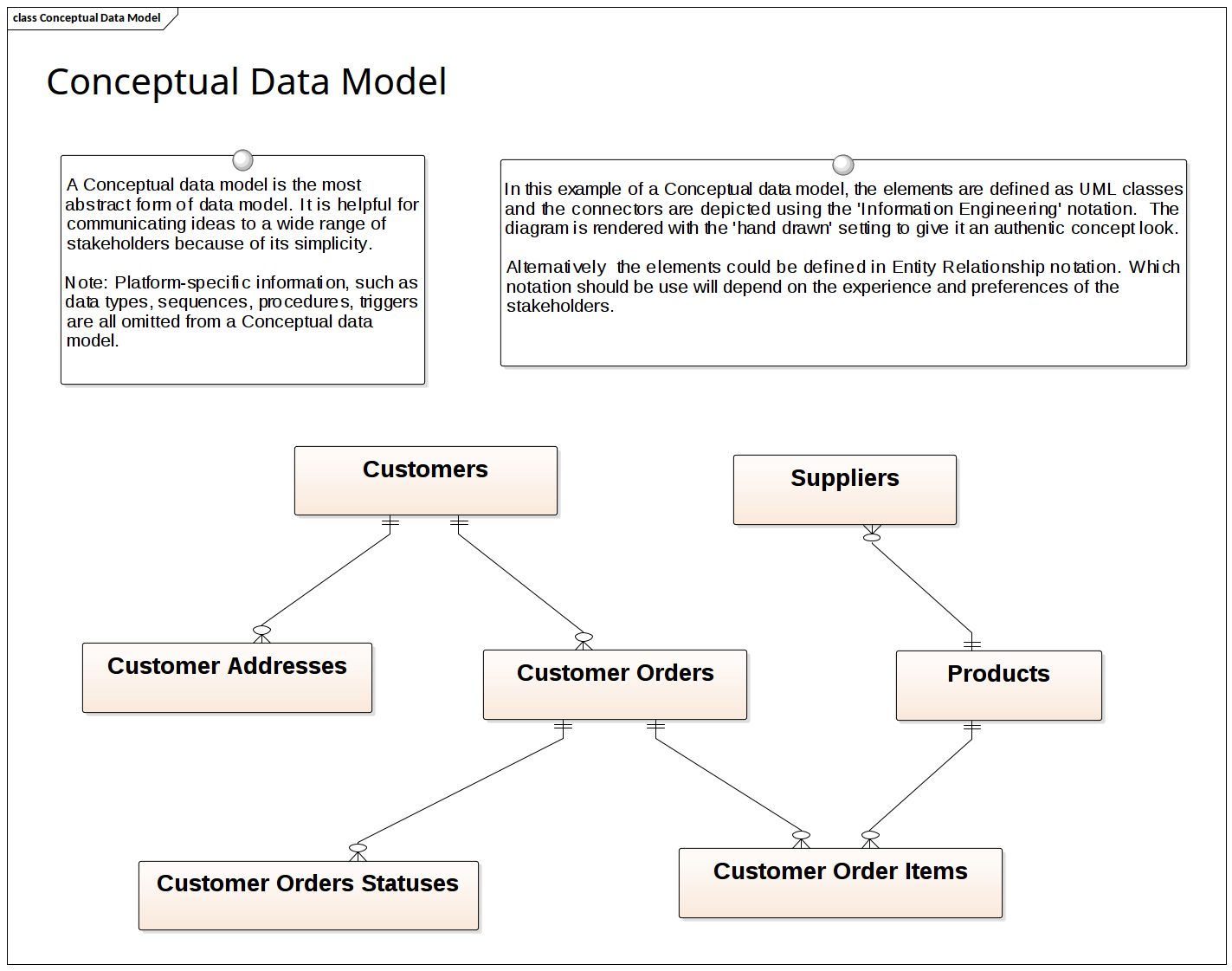
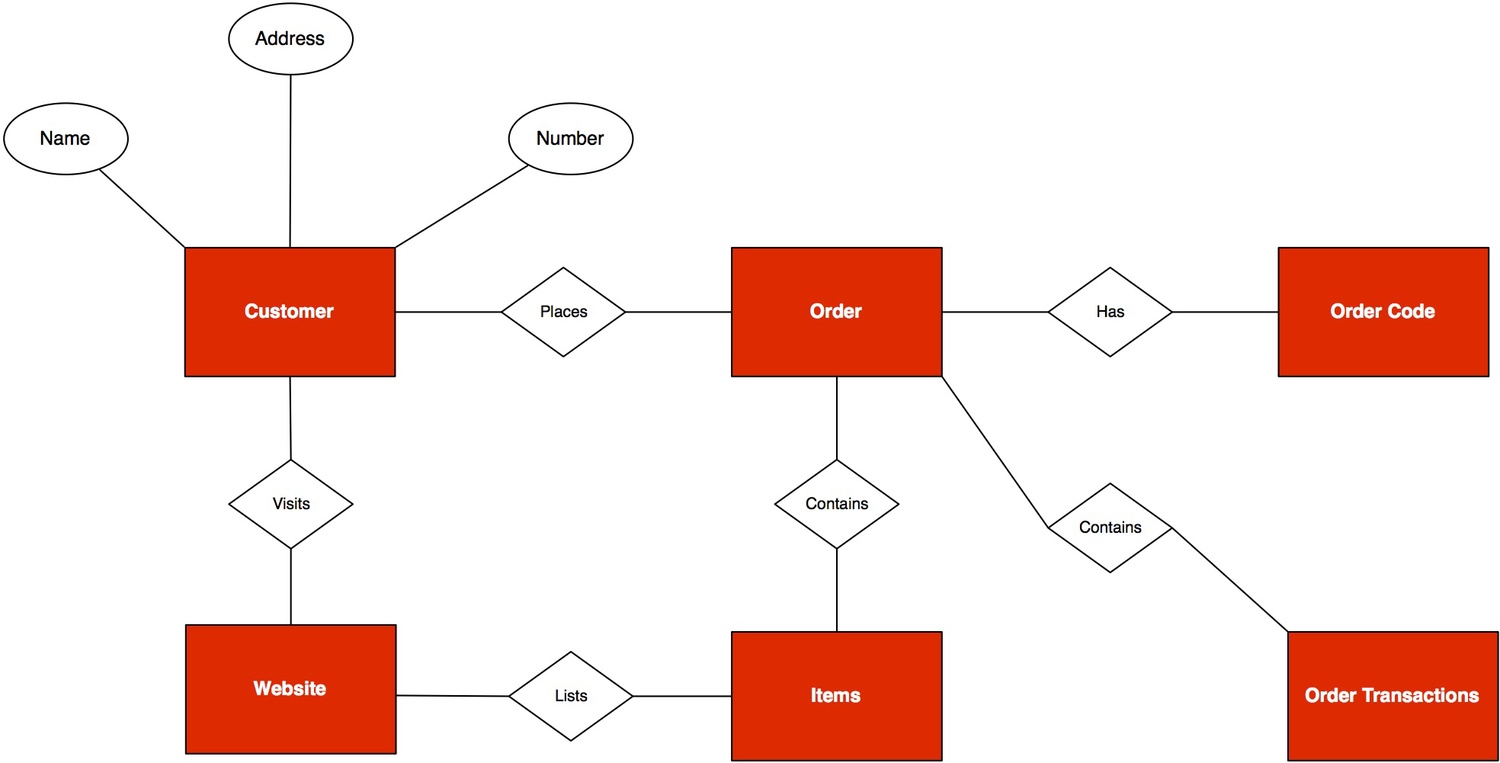
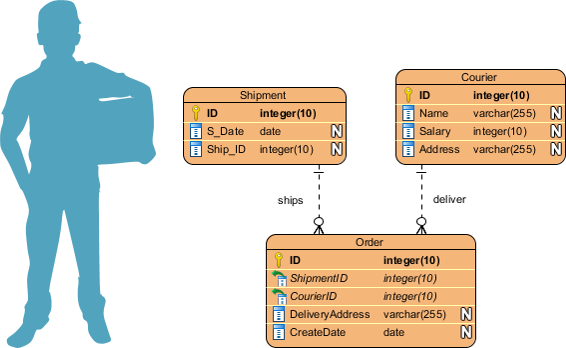
Conceptual modeling focuses on identifying high-level entities and relationships. It is designed to capture business rules without technical details.
In a healthcare system, for instance, entities could be:
-
Patient
-
Doctor
-
Appointment
-
Prescription
At this stage, professionals learn to define relationships such as one-to-many or many-to-many and communicate effectively with stakeholders.
2. Logical Data Modeling

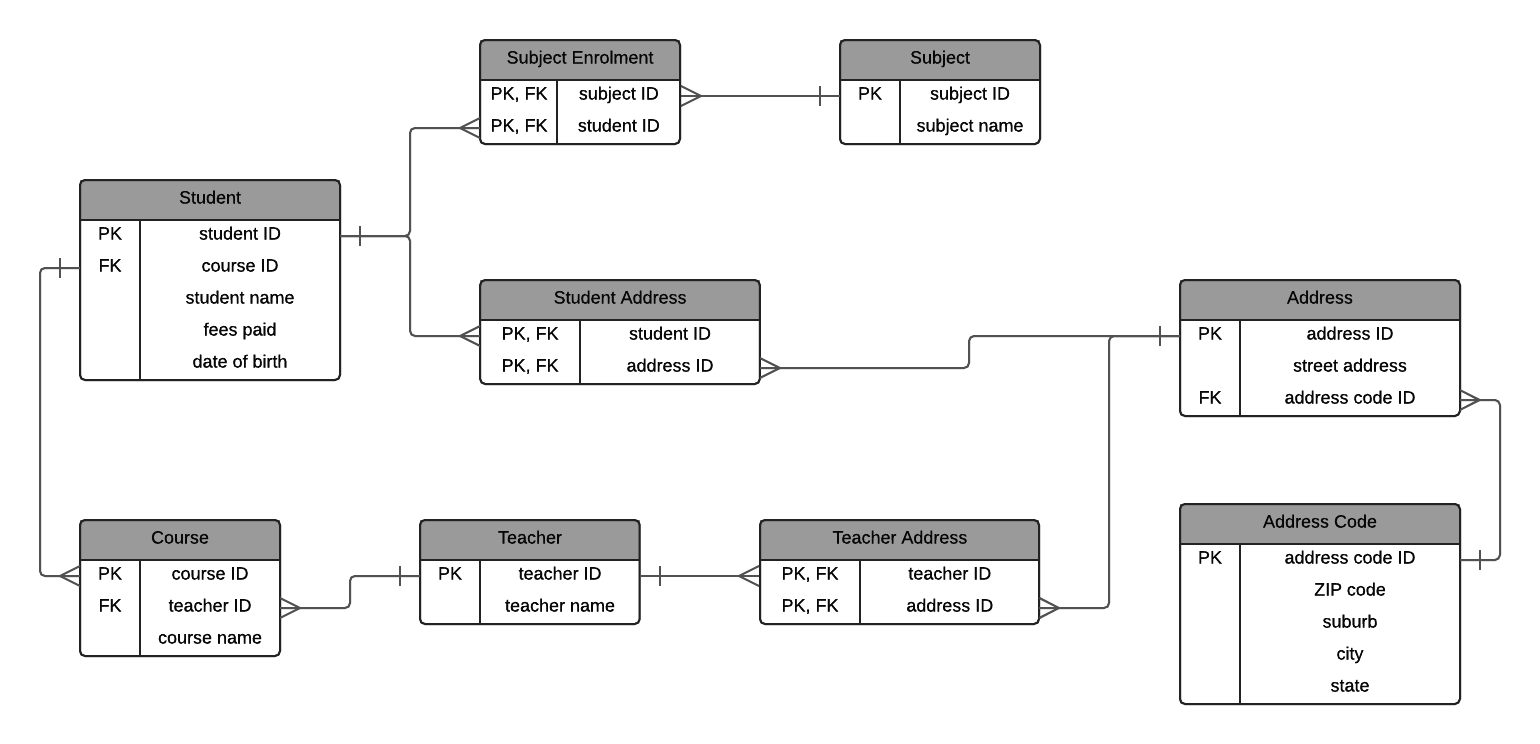


Logical modeling adds detail to the conceptual design. It includes:
-
Attributes
-
Primary keys
-
Foreign keys
-
Data types
-
Constraints
A major focus during certification is normalization, including:
-
First Normal Form (1NF)
-
Second Normal Form (2NF)
-
Third Normal Form (3NF)
These techniques eliminate redundancy and improve data integrity.
3. Physical Data Modeling
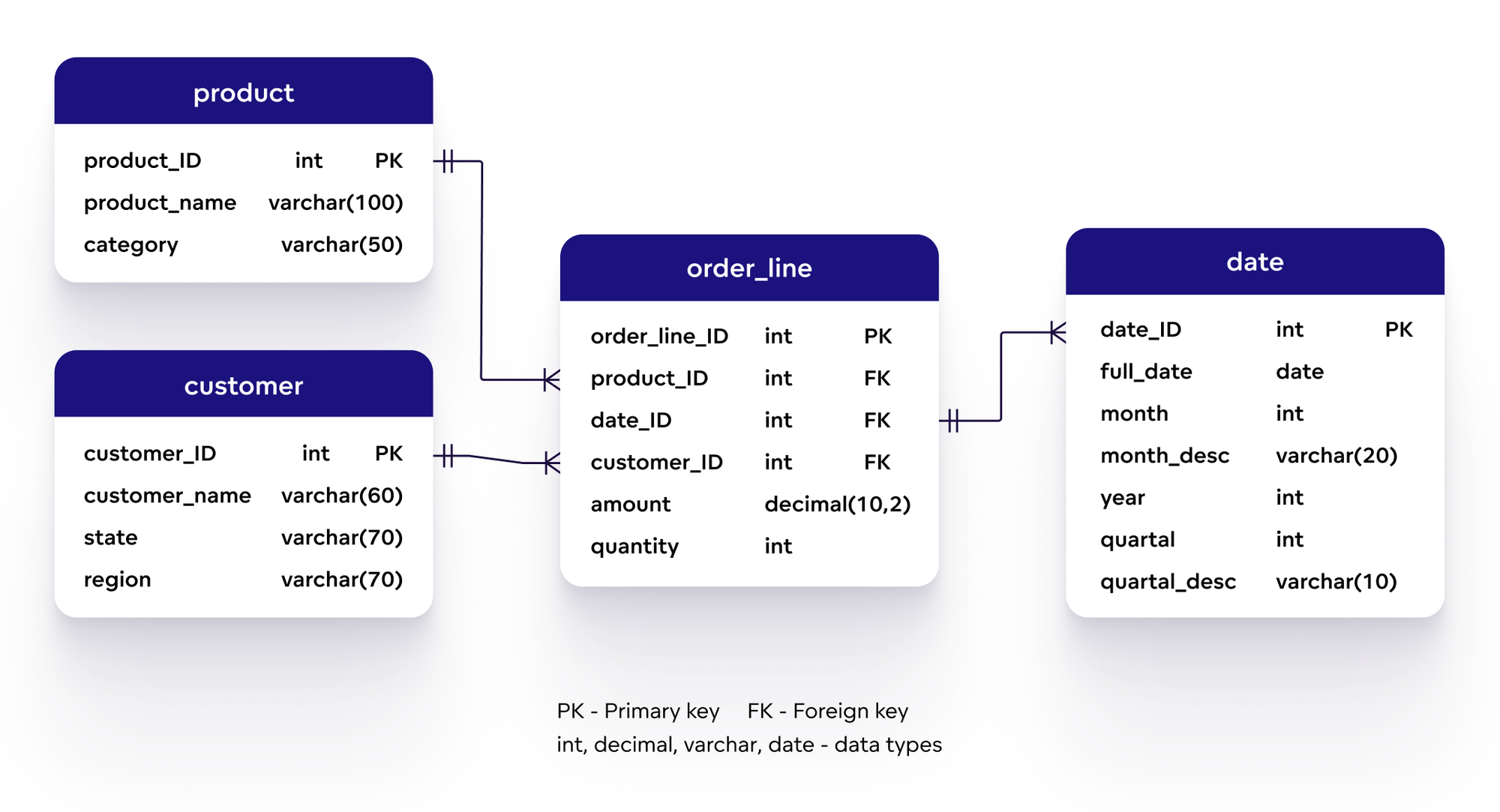

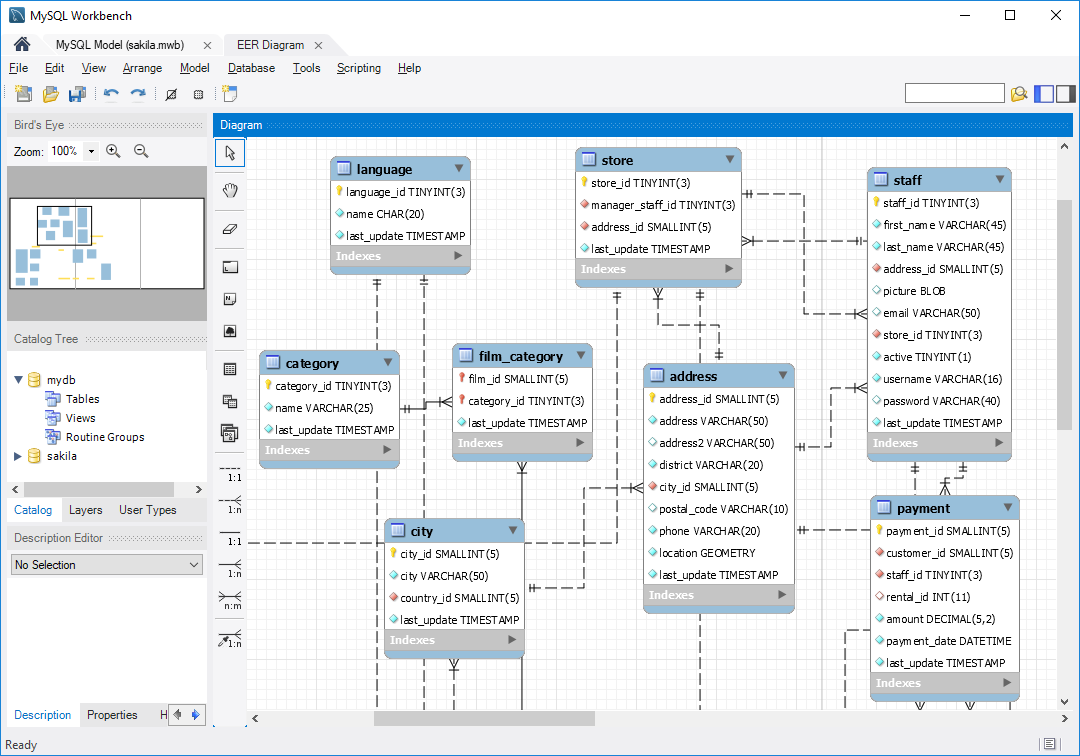
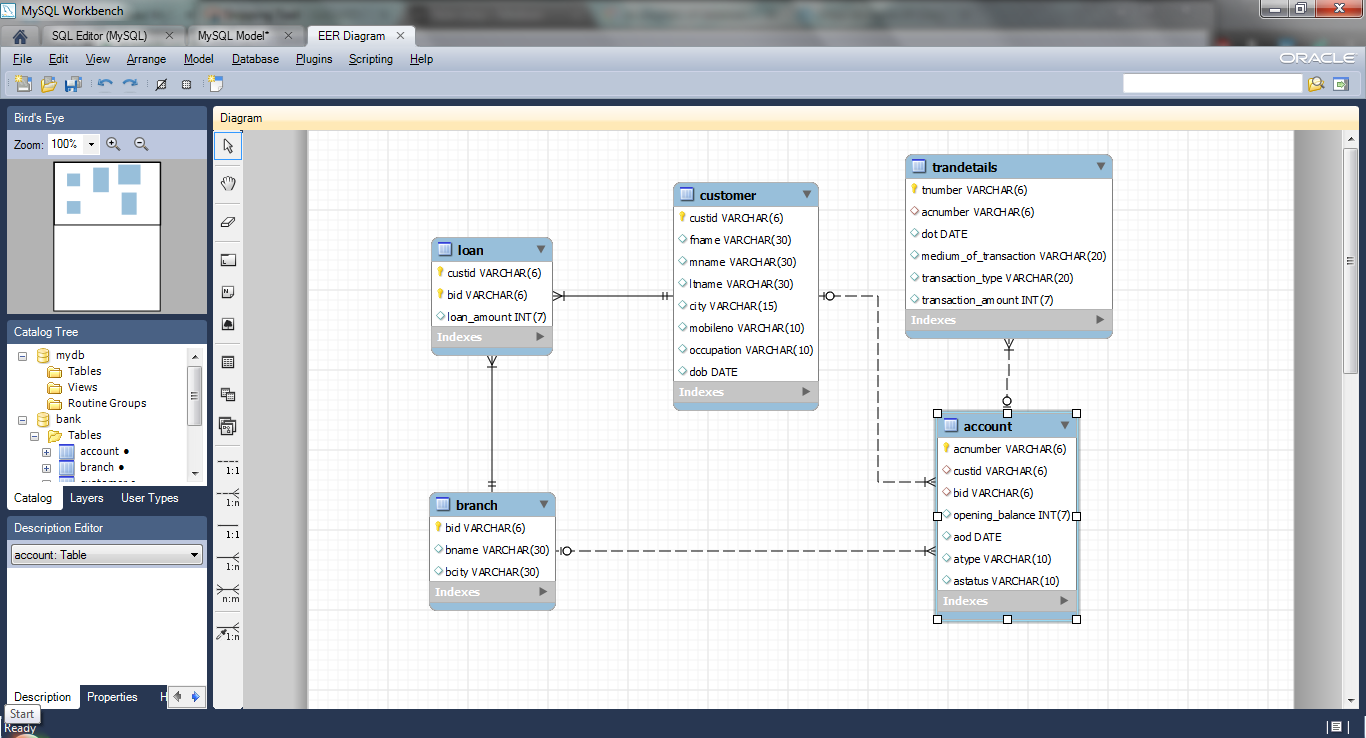
Physical modeling translates the logical structure into an actual database system such as MySQL, PostgreSQL, or SQL Server.
Professionals with certification gain knowledge of:
-
Table implementation
-
Indexing strategies
-
Performance tuning
-
Storage optimization
-
Security considerations
This level ensures the database performs efficiently in production environments.
Skills Gained Through Data Modeling Certification
A recognized certification validates your ability to:
-
Design Entity-Relationship (ER) diagrams
-
Apply normalization and denormalization techniques
-
Define constraints to ensure data accuracy
-
Optimize databases for performance
-
Develop scalable architectures
-
Support data warehousing and business intelligence systems
These skills are highly valued across industries including finance, healthcare, retail, and technology.
Benefits of Earning a Data Modeling Certification
1. Professional Credibility
Certification proves that your skills meet industry standards. It enhances trust with employers and clients.
2. Career Advancement
Certified professionals are frequently given consideration for positions like:
-
Data Analyst
-
Database Administrator
-
Data Engineer
-
Data Architect
-
Business Intelligence Developer
Many organizations prioritize certified candidates during hiring and promotion decisions.
3. Higher Earning Potential
Advanced technical certifications can contribute to salary growth by demonstrating specialized expertise.
4. Competitive Advantage
In a crowded job market, certification distinguishes you from other candidates with similar experience.
Who Should Pursue Data Modeling Certification?
Data modeling certification is ideal for:
-
IT professionals seeking specialization
-
Database developers aiming for advanced roles
-
Data analysts expanding technical expertise
-
Students preparing for careers in data management
-
Software engineers working with relational databases
Even experienced professionals benefit from formal validation of their knowledge.
Practical Components of Certification Programs
Most certification programs combine theory with practical assessments. Candidates may be required to:
-
Design ER diagrams for real-world case studies
-
Normalize sample datasets
-
Create database schemas
-
Optimize database performance
-
Solve business scenario modeling challenges
Hands-on evaluation ensures certified professionals can apply knowledge in real environments.
The Future of Data Modeling Certification
As technology evolves, data modeling certifications are adapting to include:
-
Cloud-based database architecture
-
NoSQL modeling principles
-
Big data integration
-
Real-time analytics systems
-
Data governance and compliance
Professionals who stay updated with modern database technologies remain highly competitive in the evolving digital landscape.
Conclusion
A best data modelling courses is more than a credential—it is a validation of your ability to design structured, efficient, and scalable data systems. From conceptual design to physical implementation, certified professionals understand how to transform business requirements into reliable database architectures.
In a world where data drives strategic decisions, skilled data modelers are essential. Investing in certification strengthens your technical expertise, enhances career prospects, and positions you as a trusted data professional in today’s information-driven economy.
Comments
Post a Comment